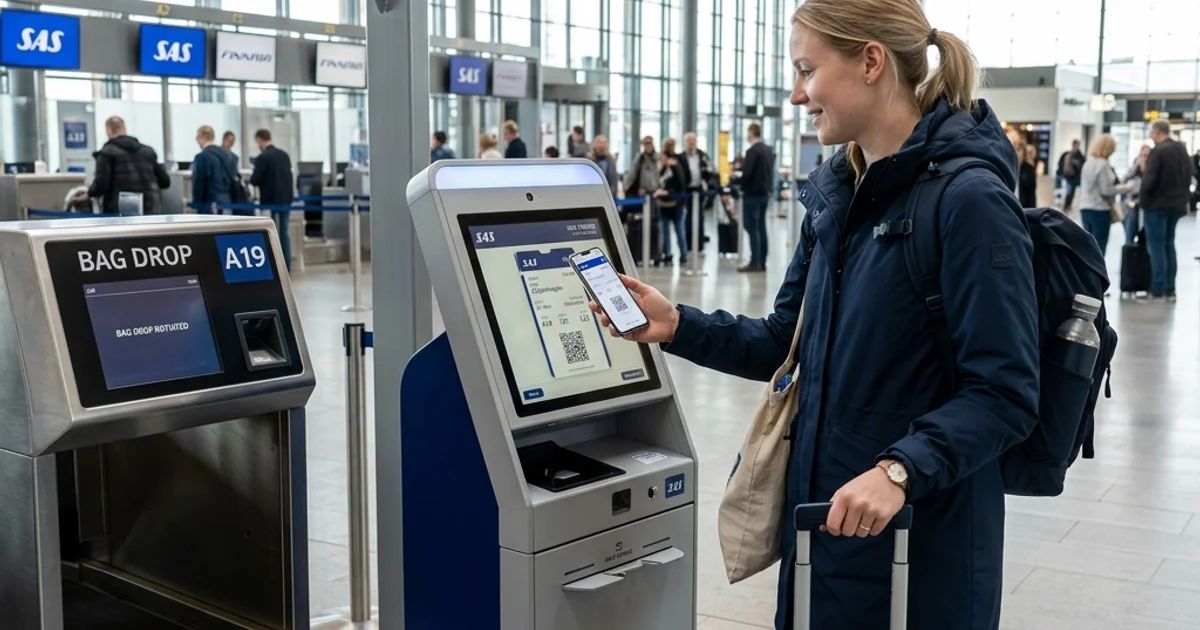
If you are booking a flight that does not go directly to your destination, you will likely have a layover. Simply put, a layover is a scheduled stop at an intermediate airport between two flight segments. During this time, you wait at the connecting airport before boarding your next flight to reach your final destination.
Understanding how these connections work can turn a potentially stressful travel day into a smooth and seamless experience.
What Is a Layover?
A layover is the time you spend on the ground at an intermediate airport while waiting for your next connecting flight. In aviation terms, the layover meaning is simply the transit period between two individual flight legs that make up a single journey.
Airlines primarily use layovers because of the "hub-and-spoke" model. Instead of flying direct between every single city in the world, airlines route passengers through central hub airports. This allows them to offer more destinations efficiently.
For example, if you book an itinerary from New York to Dubai via London (New York → London → Dubai), London serves as your layover airport, while Dubai is your final destination.
How Does a Layover Flight Work?
Taking a layover flight is a standard travel procedure. While the exact steps can vary by airport, country, and itinerary, the process generally works like this:
- Depart from the origin airport: You check in, drop your bags, and board your first flight.
- Arrive at the connecting airport: Your first flight lands at the intermediate layover hub.
- Leave the first aircraft: You disembark with all your carry-on luggage.
- Follow airport signs for connections/transfers: Look for purple or yellow signs reading "Flight Connections" or "Transfer."
- Complete security, immigration, or customs procedures: Depending on your route, you may need to clear transit security or passport control.
- Find the departure gate: Check the airport departure screens for your next flight's gate number.
- Board the next flight: Present your boarding pass for the second segment.
- Continue to the final destination: You arrive at the end of your journey.
Comparing Fares for Your Route?
Search live multi-airline schedules, spot discount windows, and baggage fee rules on FareWander.
How Long Is a Typical Layover?
There is no single ideal layover duration, as the necessary time depends heavily on the airports involved. Airlines build "Minimum Connection Times" (MCT) into their booking systems, which represent the absolute shortest time required to transfer at a specific airport.
- Very short layovers: Often under an hour, requiring you to move directly from one gate to the next.
- Short layovers: 1 to 2 hours, generally providing a comfortable buffer for domestic travel.
- Moderate layovers: 3 to 5 hours, allowing time for a meal, shopping, or relaxing in an airport lounge.
- Long layovers: 6 to 12 hours, which may give you time to leave the airport or book a transit hotel room.
- Extended layovers: Often referring to overnight waits or connections nearing the 24-hour mark.
Is a 30-Minute Layover Enough?
If you see an itinerary with a 30 minute layover, you might wonder if it is realistic. The answer depends entirely on your specific itinerary.
A 30-minute connection may be possible if you are traveling domestically through a small regional airport, remaining in the same terminal, and flying on a single ticket protected by the airline.
However, a 30-minute window is generally considered highly risky or completely unavailable for most travelers. Keep in mind:
- Gate distance: Large hubs can require 15 to 25 minutes just to walk between gates.
- Boarding cut-offs: Aircraft doors often close 15 to 20 minutes before the scheduled departure time.
- Procedures: International flights may require immigration, customs, and security screening, which easily exceed 30 minutes.
- Delays: Even a minor 15-minute delay on your first flight could cause you to miss your connection.
When in doubt, it is usually safer to choose an itinerary with a slightly longer buffer.
What Happens During a Layover?
During a typical airport layover, you have free time to manage as you see fit once you have located your next departure gate. Travelers typically use this time to:
- Check flight information screens for gate updates or delays.
- Eat at airport restaurants or grab quick snacks.
- Use restrooms and freshen up.
- Rest in waiting areas or designated quiet zones.
- Access airline or independent lounges (if eligible via ticket class, frequent flyer status, or a day pass).
- Charge mobile phones and laptops.
- Shop at duty-free or retail stores.
- Complete any required transit security or immigration protocols.
Always keep an eye on the time and monitor the departure screens, as gate changes occur frequently.
Planning Travel Logistics?
Use FareWander tools to calculate flight times, luggage rules, and visa requirements.
Do You Have to Leave the Airport During a Layover?
You generally do not have to leave the airport during a standard layover. Most major airports are designed to keep transiting passengers "airside" (the secure area past security checkpoints) so they can move seamlessly to their next flight.
However, leaving the airport might be an option—or a requirement—in specific circumstances. If you have a long layover (e.g., 8+ hours) and want to explore the connecting city, you can choose to exit the airport. Keep in mind that doing so means you must pass through immigration to enter the country, and you will need to clear security again when you return. Always check the visa requirements of the connecting country before attempting to leave the transit area.
Do You Have to Collect Your Baggage During a Layover?
Baggage handling is one of the most common points of confusion for connecting passengers. Whether you need to collect your checked bags depends heavily on how your flights were booked and where you are traveling.
- Single Ticket Itineraries: If you booked your entire journey on one ticket with the same airline (or partner airlines), your checked baggage is usually "checked through" to your final destination. You will not see your bags during the layover.
- Separate Tickets: If you booked two separate tickets (e.g., flying Airline A to Paris, and a separate ticket on Airline B to Rome), you must collect your bags, exit to the check-in counters, and re-drop them for the second flight.
- Country-Specific Rules: Certain countries require all arriving international passengers to collect their baggage and clear customs before connecting to a domestic flight. (For example, this is a standard requirement for international arrivals connecting domestically in the United States).
Your carry-on baggage stays with you at all times. Always verify your baggage arrangements with the check-in agent at your first departure airport.
Do You Go Through Security During a Layover?
Security requirements vary by airport and the nature of your route.
- Domestic connections: You typically do not go through security again, as you remain within the sterile terminal area.
- International connections: Many global hubs require transiting passengers to pass through a specialized transfer security checkpoint before entering the departure concourse for their next flight.
- International to Domestic: You will almost always pass through immigration, claim your bag for customs, and then re-clear standard airport security before boarding your domestic flight.
International vs Domestic Layovers
Understanding the difference between domestic and international connections helps you plan how much time you need on the ground.
- Domestic → Domestic: The simplest layover. You remain in the same country, bags are usually checked through, and no passport control is required.
- International → International: Often involves a transfer security check. You usually remain in the international transit zone without officially passing through the connecting country's immigration.
- International → Domestic: The most time-consuming. You must clear immigration, usually collect your bag for customs inspection, and re-clear security.
- Domestic → International: Generally straightforward. Bags are usually checked to the final destination, and passport checks may simply happen at the boarding gate.
What Is a Long Layover?
A long layover typically refers to a connection lasting anywhere from 6 to 12 hours.
- Benefits: A long layover provides a stress-free buffer against delays. It allows you to enjoy premium airport lounges, sit down for a proper meal, or even leave the airport to take a quick sightseeing tour of the connecting city.
- Drawbacks: Waiting in an airport for hours can be exhausting, especially after a long-haul flight.
- Considerations: If you plan to leave the airport, ensure you have enough time to clear immigration and get back through security. Always verify local visa and entry requirements before attempting to exit the terminal. Explore our Airport pages for specific terminal amenities.
What Is an Extended Layover?
While not a strict airline term, travelers generally use the phrase "extended layover" to describe transit times pushing toward 12 to 24 hours. An extended layover differs from a short connection because it almost necessitates finding a place to sleep, whether that means booking an in-terminal transit hotel, accessing a sleep pod, or leaving the airport to stay at a nearby hotel.
What Is an Overnight Layover?
An overnight layover (sometimes called an overnight stopover) occurs when your first flight arrives late in the evening and your connecting flight does not depart until the following morning.
These happen frequently due to airline scheduling, airport curfews, or a lack of late-night connecting flights.
- Staying inside the airport: Not all airports are open 24/7. Some regional hubs close overnight, meaning passengers cannot remain airside. Major international hubs generally stay open, but comfortable sleeping spots may be limited.
- Booking a hotel: For maximum comfort, booking an airport hotel is highly recommended. Check if the hotel is located "airside" (no immigration required) or "landside" (requiring you to pass through immigration to reach it).
Layover vs Stopover: What's the Difference?
While often used interchangeably by travelers, these two terms mean different things in the airline industry.
- Layover: A standard connection between flights, generally lasting less than 24 hours on international routes (or under 4 hours for domestic routes). The primary goal is simply to change planes.
- Stopover: An intentional, extended break in your journey lasting more than 24 hours. An airline stopover allows you to treat the connecting city as a secondary destination. Many international airlines actively promote a free or low-cost airport stopover program, encouraging travelers to spend a few days exploring their hub city before flying onward.
Layover vs Connecting Flight
To keep terminology simple for beginners:
- Connecting flight: The actual airplane or route you take after your first flight to reach your final destination.
- Connection: The entire process of transitioning from one flight to another.
- Layover: The amount of time you spend waiting on the ground during that connection.
What Is a Cabin Crew Layover?
You may occasionally hear the term cabin crew layover. This refers to the mandatory rest period airline crew members (pilots and flight attendants) take between duty periods. Unlike passenger layovers, which take place inside the airport terminal, a crew layover involves the airline staff leaving the airport to sleep at a hotel in the destination city before operating their next scheduled flight.
How to Choose a Good Layover
When searching for flights on a flight search platform, use these practical tips to select the best itinerary:
- Prefer realistic connection times: Aim for 1.5 to 2 hours for domestic flights and 2 to 3 hours for international connections.
- Consider airport size: Connecting through a massive global hub takes longer than a compact regional airport.
- Check terminal changes: See if your flights arrive and depart from different terminals, which may require taking an airport train or bus.
- Understand baggage rules: Verify if you need to recheck your bags based on your destination or ticket type.
- Book on a single ticket: Always try to book your connecting flights under one reservation so the itinerary is protected by the airline.
- Factor in the weather: Connections in areas prone to severe winter storms or summer thunderstorms carry a higher risk of delays.
What Happens If You Miss Your Connecting Flight?
Connections can be missed due to weather delays, technical issues, or long security lines.
- Single-ticket itineraries: If both flights were booked together on one ticket and you miss the connection due to an airline delay, the operating airline is responsible for rebooking you on the next available flight at no extra cost.
- Separate tickets: If you booked two separate tickets and your first flight is delayed, the second airline is not obligated to rebook you. You will likely have to buy a new ticket out of pocket.
- Action steps: If you land and realize you missed your flight, head immediately to the airline's transfer desk or customer service counter.
Note: Travel insurance policies often have specific coverage terms for missed connections, so checking your policy details is highly recommended.
Tips for a Stress-Free Layover
- Keep travel documents accessible: Have your boarding passes and passport easily reachable in your personal item.
- Check the screens immediately: Do not assume the gate printed on your boarding pass is correct; always verify on the digital departure screens upon landing.
- Follow transfer signs: Do not walk toward "Baggage Claim" or "Exit" unless you specifically need to recheck bags or leave the airport.
- Keep essentials in your carry-on: Pack daily medication, chargers, a change of clothes, and toiletries in your cabin bag in case your checked luggage is delayed.
- Monitor flight status: Use the airline's mobile app for live updates on gate changes and boarding times.
- Stay close as boarding approaches: Do not wander to the opposite end of the terminal when your flight is scheduled to board within 40 minutes.
Authoritative References & Aviation Standards
- International Air Transport Association (IATA): Standard Schedules Information Manual (SSIM) & Minimum Connecting Time (MCT) data standards.
- U.S. Department of Transportation (DOT): Airline Customer Service Dashboard, Missed Connections and Interline Rebooking Requirements.
- European Union Regulation (EC) No 261/2004: Passenger Rights on Missed Connections Resulting from Prior Flight Delays.