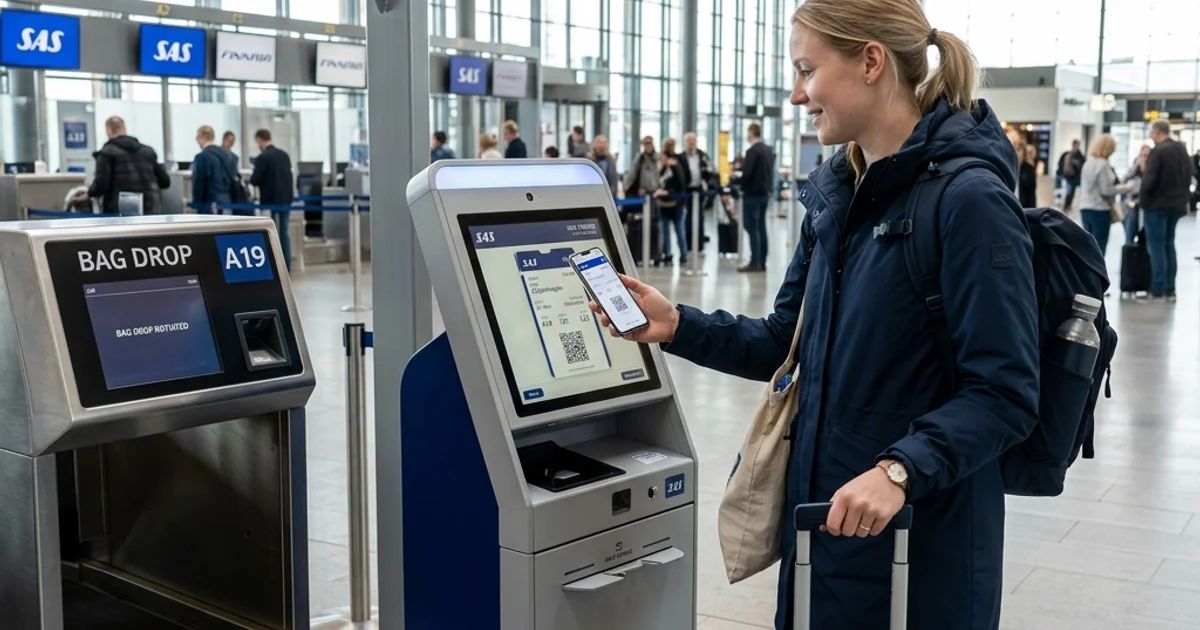
When booking air travel, you will inevitably see itineraries labeled as direct, nonstop, or connecting. To most travelers, these descriptions sound like they mean the exact same thing: getting from point A to point B without unnecessary hassle.
However, in the aviation industry, these terms are not interchangeable. Booking a "direct flight" thinking you will never touch down before your destination can lead to an unexpected surprise on the tarmac. Similarly, choosing between nonstop and connecting flights involves balancing total travel time, convenience, ticket fares, airport connections, and the risk of unexpected delays.
Understanding how airlines structure these itineraries ensures you pick the right route for your schedule and budget. Here is everything you need to know about direct vs nonstop vs connecting flights before you book your next trip.
Direct vs Nonstop vs Connecting Flights at a Glance
The table below summarizes the key operational differences between each flight type:
| Flight Type | Intermediate Stops | Aircraft Change | Flight # | Travel Time | Convenience | Relative Price | Airport Connection | Best For |
|---|---|---|---|---|---|---|---|---|
| Nonstop Flight | 0 | No | Single | Shortest | Highest | Often higher baseline | None required | Business travel, families, minimizing fatigue |
| Direct Flight | 1 or more technical/passenger stops | Usually No (same plane) | Single | Moderate | Moderate to High | Moderate | Stay onboard or brief gate wait | Single-ticket simplicity with lower fares |
| Connecting Flight | 1 or more layover stops | Yes (change planes) | Multiple | Longest | Variable | Often lower baseline | Full airport transfer & boarding | Budget-conscious travelers, remote routes |
What Is a Direct Flight?
The direct flight meaning often trips up even experienced travelers. A direct flight is an itinerary that operates between two cities under a single flight number, but it may make one or more intermediate stops along the route.
How Direct Flights Work
- Same Flight Number: Your boarding pass displays a single flight number for the entire journey from origin to destination.
- Intermediate Stop: The plane lands at an intermediate airport to drop off passengers, pick up new travelers, refuel, or complete routine ground handling.
- No Plane Change (Usually): In most cases, you remain seated on the same aircraft during the stopover. In some instances, the airline may ask you to step off into the gate holding area for 30 to 45 minutes while the aircraft is cleaned or serviced, after which you re-board the same aircraft.
- Why Direct Does Not Mean Nonstop: The word "direct" refers to the continuous journey under one flight coupon and flight number—not the absence of physical stops.
A Realistic Example of a Direct Flight
Imagine booking a flight from Sydney to London with a direct flight routing. The flight number might be BA16. The aircraft takes off from Sydney, lands in Singapore for 90 minutes to refuel and exchange passengers, and then continues onward to London under that exact same flight number (BA16).
While you do not have to switch planes or run across a massive terminal to catch a different aircraft, the flight still made an intermediate stop. For travelers searching for cheap direct flights, these options frequently provide a balance between the simplicity of single-plane travel and lower prices compared to true nonstop journeys.

Comparing Fares for Your Route?
Search live multi-airline schedules, spot discount windows, and baggage fee rules on FareWander.
What Is a Nonstop Flight?
The nonstop flight meaning is completely literal: an aircraft departs your origin airport and flies straight to your destination without touching the ground anywhere in between.
Why Travelers Prefer Nonstop Flights
- Zero Intermediate Landings: There are no scheduled stops for fuel, maintenance, or passenger changes.
- Fastest Elapsed Travel Time: Because the plane remains at cruising altitude without descending, taxiing, waiting at a gate, and climbing again, nonstop flights deliver the shortest door-to-door journey.
- Minimal Operational Risk: With no intermediate stops or plane transfers, you eliminate the risk of missed connections, baggage transfer errors, and ground delays at transfer hubs.
Because they offer maximum efficiency, airlines often price non stop flights at a premium, particularly on competitive business routes. However, travelers who stay flexible with dates can still discover cheap flights non stop during off-peak periods or promotional booking windows.
Direct vs Nonstop: What's the Difference?
Because the terms are used casually in everyday conversation, travelers frequently conflate direct vs nonstop flights.
| Feature | Nonstop Flight | Direct Flight |
|---|---|---|
| Intermediate Stop | None | 1 or more scheduled stops |
| Aircraft Change | No plane change | Usually no plane change (same aircraft) |
| Flight Number | Single flight number | Single flight number |
| Elapsed Travel Time | Shortest possible | Longer (adds 45–90+ minutes per stop) |
| Convenience | Maximum (sleep/work uninterrupted) | Moderate (ground hold during transit) |
| Airport Connection | None | None (or brief gate transit) |
A nonstop flight never touches the ground between your departure and arrival cities. A direct flight stays under one flight number and usually keeps you on the same aircraft, but it can land at one or more intermediate airports along the way.
What Is a Connecting Flight?
A connecting flight meaning describes an itinerary where reaching your final destination requires boarding two or more separate aircraft with different flight numbers.
How Airport Connections Work
When you book connecting flights, your trip is broken into individual segments (called legs). Between each flight leg, you land at an intermediate hub—known as the connecting airport—where you disembark your first plane, navigate the terminal, and board a different plane to continue your trip.
Example Route
Consider a trip from New York (JFK) to Delhi (DEL) via Frankfurt (FRA):
- You board Flight LH401 in New York and fly to Frankfurt.
- You land in Frankfurt, leave the aircraft, and enter the terminal.
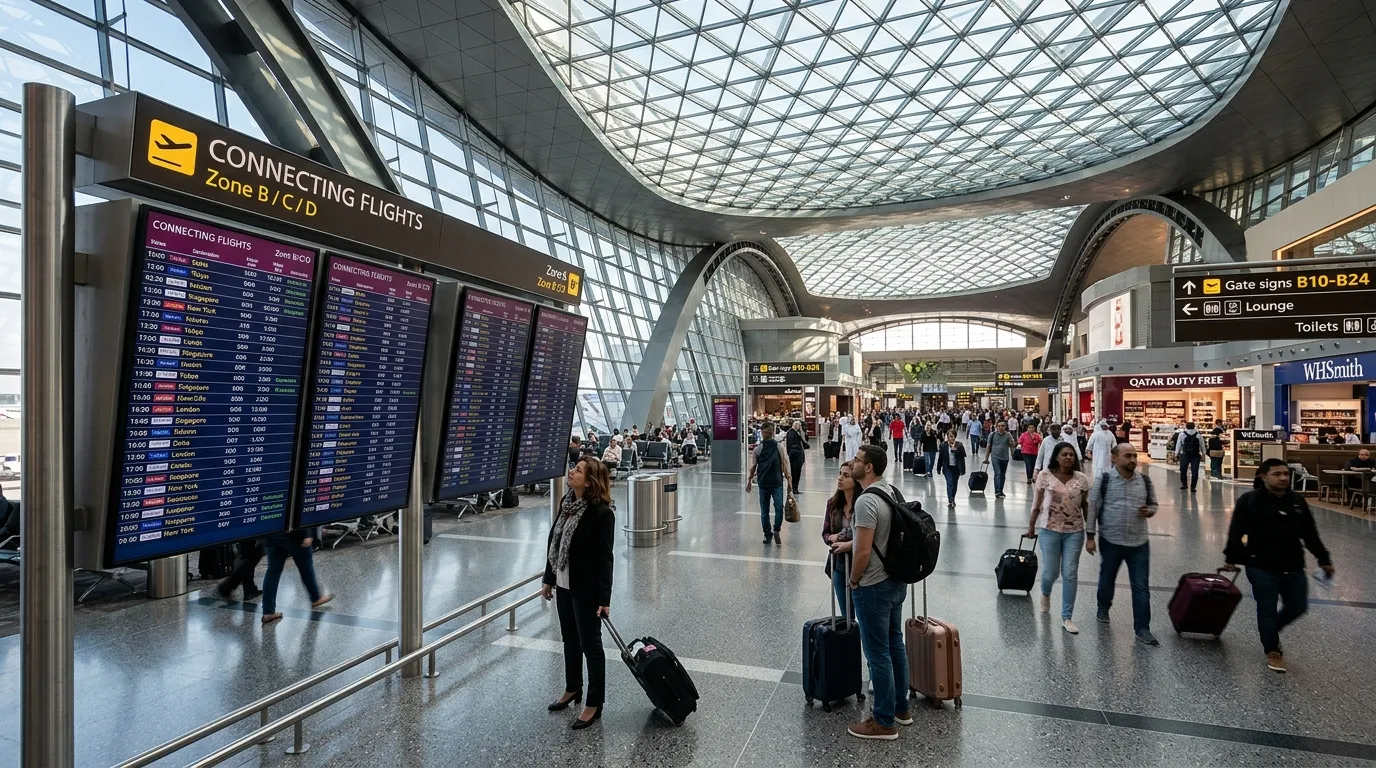
- During your layover (flight connection time), you follow transfer signs, clear transit security if required, and locate your new gate.
- You board Flight LH760 on a different aircraft to complete your journey to Delhi.
During standard airport connections booked on a single ticket, your checked luggage is usually transferred automatically between planes by airport ground handlers, allowing you to focus on getting yourself to the next departure gate.
Planning Travel Logistics?
Use FareWander tools to calculate flight times, luggage rules, and visa requirements.
What Is a Transit Flight?
A transit flight is a broad term used across international travel to describe any flight itinerary where an intermediate airport serves as a stepping stone rather than your final destination.
However, terminology varies depending on whether you speak to an airline agent, an immigration official, or a booking platform:
- Transit: Passing through an intermediate airport solely to continue onward to your destination (usually staying in the secure international transit zone).
- Connection / Layover: The scheduled waiting window spent on the ground between two connecting flights (typically under 24 hours for international routes, or under 4 hours domestically).
- Stopover: An intentional, extended stay in a connecting city lasting longer than 24 hours on international routes before flying onward.
| Term | Definition |
|---|---|
| Layover | Scheduled connection under 24 hours |
| Stopover | Intentional stay over 24 hours in a transit hub |
| Direct Transit | Brief stopover on the same plane under 1 flight # |
| Flight Connection | Changing aircraft and flight numbers at a hub |
Some countries allow visa-free international transit as long as you remain airside within the designated transit area, while others (such as the United States) require all transiting passengers to clear border control regardless of connection duration.
Direct vs Nonstop vs Connecting Flights: Pros and Cons
Choosing the right itinerary involves weighing several trade-offs:
Direct Flights
- Pros:
- Fewer complications: You keep the same flight number and generally stay on the same aircraft.
- No gate dash: You avoid the stress of running through an unfamiliar airport to catch a second flight.
- Baggage stays put: Your luggage remains in the cargo hold of the same plane throughout the stop.
- Cons:
- Slower than nonstop: Intermediate taxiing and passenger boarding add 45 to 90+ minutes to your journey.
- Limited availability: Pure direct flights with intermediate stops under a single flight number are less common in modern airline scheduling than standard connecting flights.
Nonstop Flights
- Pros:
- Fastest travel time: Delivers the quickest possible elapsed flight duration.
- Maximum peace of mind: No layovers to manage, zero risk of missing a connecting flight, and minimal luggage handling.
- Better sleep: You can settle in for continuous rest without mid-flight interruptions.
- Cons:
- Higher average fares: High consumer demand often makes nonstop routes more expensive.
- Fewer daily departure options: Certain secondary city pairs have only one daily nonstop flight (or none at all).
Connecting Flights
- Pros:
- Wider route availability: Connects virtually any two commercial airports in the world via airline hub networks.
- Budget savings: Often provides lower base fares or opportunities for a discount on flights when airlines discount one stop flights to fill seats.
- Schedule flexibility: Hub airports frequently offer multiple departures throughout the day.
- Cons:
- Longer travel time: Ground layovers and extra flight takeoffs significantly increase total journey duration.
- Risk of missed connections: Weather delays or mechanical issues on the first leg can cause you to miss your onward flight.
- Airport logistics: Involves navigating large terminals, potential additional security screening, and increased risk of delayed baggage.
Are Connecting Flights Cheaper Than Direct or Nonstop Flights?
There is no universal rule that connecting flights are always cheaper, but they frequently cost less than nonstop routes due to airline revenue management.
- 1 Direct/Nonstop Convenience Premium: High demand from business & time-sensitive travelers
- 2 Hub-and-Spoke Seat Inventory Optimization: Airlines filling feeder flights via central hubs
- 3 Competition Across Connecting Routes: Multiple carriers competing for indirect traffic
- 4 Off-Peak Layover Incentives: Discounted fares for longer layover options
Airlines recognize that business travelers and families value time efficiency, meaning carriers can charge more for the convenience of point-to-point nonstop service. Conversely, airlines use cheap connecting flights to attract price-sensitive travelers and route passengers through their central hubs to keep aircraft full.
However, airfare pricing depends on multiple dynamic factors:
- Route competition: On heavily contested routes (e.g., London to New York), nonstop competition among multiple airlines can make nonstop fares cheaper than connecting options.
- Seasonality and departure times: Mid-week flights, red-eyes, and early-morning departures often yield lower prices regardless of flight type.
- The Total Cost Reality: When comparing flight options, evaluate the total trip cost. A connecting flight that saves $40 on base fare might end up costing more if an 8-hour layover requires airport meals, lounge access passes, or extra baggage fees charged across different carriers.
How to Find Cheap Direct and Nonstop Flights
If you want the speed of direct or nonstop travel without overpaying, use these practical booking strategies:
- Maintain flexible dates: Shifting your departure by 1 to 3 days can reveal significant fare drops on direct routes.
- Compare nearby airports: If your primary airport only offers expensive nonstop service, check alternate regional hubs.
- Use search filters: Platforms like Farewander Flight Search let you filter specifically for nonstop flights, 1-stop options, or direct itineraries. If you regularly use tools like skyscanner direct flights search filters, compare those results side-by-side with Farewander's fare search to catch unbundled pricing differences.
- Evaluate the complete fare: Check whether the advertised price includes carry-on and checked luggage, advance seat selection, and change flexibility.
- Check departure and arrival windows: Mid-day and late-night flights often command lower fares than peak morning or early evening business slots.
- Compare connection durations: If you choose a connecting itinerary, avoid tight 35-minute connections or grueling 12-hour layovers unless the cost savings justify the time.
- Verify airport changes: Make sure your connection does not require transferring between two different airports in the same city (e.g., landing at London Gatwick and departing from London Heathrow).
- Review cancellation policies: Understand ticket flexibility before booking, especially if you anticipate schedule adjustments.
What Are Dohop Flights and Self-Connection Itineraries?
When searching for flights online, you may encounter third-party booking models such as dohop flights or self-transfer flights.
Unlike standard single-ticket connecting flights—where one airline or airline alliance handles your entire journey—a self-transfer flight combines separate tickets on independent carriers that do not share an interline ticketing agreement.
Important Considerations for Self-Connection Itineraries
- Separate Tickets: You hold two distinct booking confirmation codes.
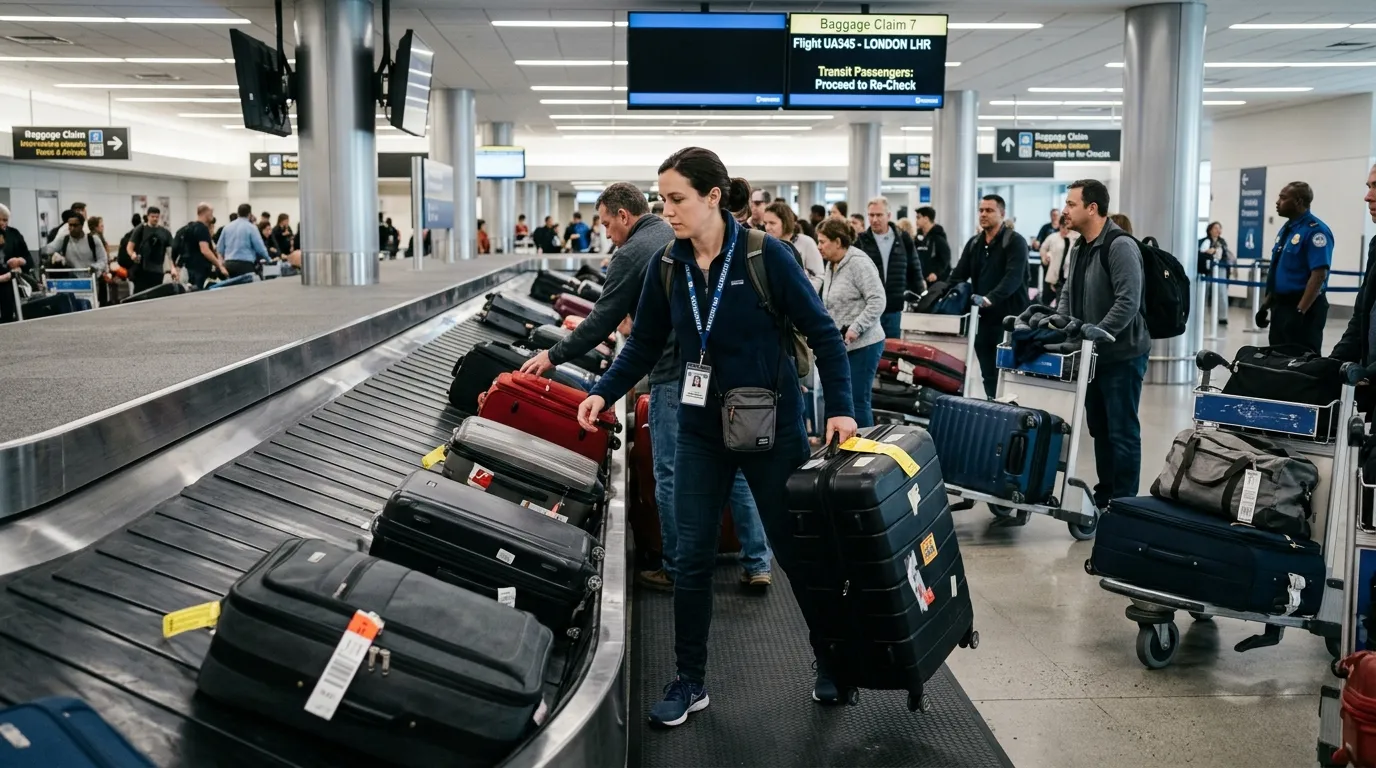
- Baggage Re-check: Because the airlines do not transfer luggage between each other, you must disembark your first flight, collect your bags from baggage claim, exit to the public check-in hall, and re-check your bags with the second carrier.
- Immigration & Security: If traveling internationally, you must pass through border control and customs to collect your bags, then clear airport security again before your next flight.
- Delay Risks: If your first flight is delayed and you miss your second departure, the second airline is under no obligation to rebook you for free. Platforms specializing in connected itineraries (like Dohop) often include a connection guarantee service to cover rebooking costs, but travelers must follow the platform's specific claim protocols carefully.
What About Rex Airlines Flights?
Travelers researching regional routes—such as those operating in Australia—often ask how carriers like Regional Express operate. Whether rex airlines flights are direct, nonstop, or connecting depends entirely on the specific route and booking schedule.
Rex operates extensive regional networks connecting smaller regional communities with major metropolitan hubs like Sydney, Melbourne, and Brisbane. Some regional routes operate as multi-stop direct flights (stopping at intermediate regional towns under one flight number to pick up passengers), while other services are standard point-to-point nonstop flights. Always inspect the intermediate stop details on your ticket confirmation rather than assuming regional flights follow a single operational model.
How Much Connection Time Do You Need?
When booking flights with stops, understanding flight connection time is critical to avoiding missed flights and travel stress.
Airlines establish a minimum connection time (MCT) for every airport they serve. An MCT represents the shortest allowable transfer window for which an airline will legally sell you a single protected ticket. However, minimum connection times are bare minimums, not guarantees of a relaxed transfer.
| Connection Scenario | Recommended Transfer Window |
|---|---|
| Domestic to Domestic | 45 – 90 minutes |
| International to Domestic | 90 – 150 minutes |
| International to International | 60 – 120 minutes |
| Separate Ticket Self-Transfer | 3 – 4+ hours |
Factors That Dictate Needed Transfer Time
- Domestic Connections: Generally require 45 to 90 minutes. You typically stay within the secure concourse without needing to re-clear security.
- International Connections: Usually require 60 to 120 minutes to account for terminal changes, security screening, and passport checks.
- International-to-Domestic Transfers: Typically require 90 to 150 minutes in countries where arriving international passengers must clear immigration, claim checked baggage for customs inspection, and re-clear security (e.g., entering the US or Canada).
- Airport Scale and Layout: Massive multi-terminal hubs (like London Heathrow, Paris CDG, or Chicago O'Hare) require significantly more transfer time than compact single-terminal regional airports.
- Airport Transfers: If your route involves an airport direct rail link or shuttle bus between distant terminals or different regional airports, always budget at least 3 to 4 hours.
What Happens During an Airport Connection?
If you have never taken a connecting flight before, walking through the process step-by-step removes the mystery from airport connections:
- Arrival at the Hub: Your first flight lands at the intermediate connecting airport and taxis to the gate.
- Leave the Aircraft: Collect all personal belongings and carry-on luggage from the overhead bins and seat pockets before disembarking.
- Follow the Transfer Signs: Inside the terminal, ignore signs pointing toward "Baggage Claim" or "Exit" (unless you are on a self-transfer ticket). Instead, look for signs marked "Flight Connections", "Transfers", or "Connecting Flights".
- Security & Immigration Screening (If Applicable): Depending on the country and route, you may pass through a dedicated transit security checkpoint or immigration control desk.
- Check Digital Flight Information Displays: Gate assignments change frequently. As soon as you enter the central departure area, check the airport screens for your onward flight number to confirm the departure gate and boarding status.
- Go to the Connecting Gate: Walk or take the inter-terminal train/shuttle to your gate.
- Board the Next Aircraft: Present your boarding pass and passport to complete the second leg of your journey.
Direct vs Nonstop vs Connecting: Which Is Best?
The ideal flight choice depends on your personal travel priorities:
| Travel Priority | Recommended Option | Why |
|---|---|---|
| Fastest overall journey | Nonstop Flight | Zero intermediate landings; eliminates ground delays and connection buffers. |
| Maximum comfort & lowest stress | Nonstop Flight | No terminal transfers, no rushing between gates, and lowest risk of lost baggage. |
| Avoid changing planes on multi-stop routes | Direct Flight | Stay on the same aircraft under one flight number during brief intermediate stops. |
| Lowest possible price | Connecting Flight | Airlines frequently discount connecting itineraries across hub networks. |
| Maximum route & schedule choices | Connecting Flight | Allows flexible departure times and opens access to secondary airports worldwide. |
| Destinations without nonstop service | Connecting Flight | Essential for reaching cities that lack direct air links from your origin. |
| Traveling with small children or seniors | Nonstop / Direct Flight | Eliminates the physical exhaustion of deplaning, terminal walking, and re-boarding. |
| Ultra-long-haul global travel | Connecting (with Stopover) | Breaking a 20+ hour journey into two segments allows rest and reduces severe jet lag. |
Related Travel Resources & Guides
Explore more flight planning tips and airport guides on Farewander:
- Farewander Flight Search — Compare direct, nonstop, and connecting itineraries side-by-side.
- Cheap Flights Guide — Strategies for finding discounted airfares and unbundled tickets.
- What Is a Layover? Complete Guide — Detailed guide to connection times, baggage rules, and airport layovers.
- Farewander Airport Directory — Terminal maps, connection procedures, and transit guides for major global hubs.
Suggested Further Reading
- Self-Transfer Flights Explained: The Risks and Rewards of Booking Separate Tickets
- What Is Minimum Connection Time (MCT)? How Airlines Calculate Layover Safety
- What Is an Airline Stopover? How to Get a Free 2-in-1 Vacation on Long-Haul Routes
- Tight Layovers: What to Do When Your Connection Is Under 45 Minutes
- Checked Baggage on Connecting Flights: When Is Luggage Checked Through?
- Red-Eye Flights: Are Overnight Departures Worth the Disruption?
- Hub-and-Spoke vs Point-to-Point Airlines: How Airline Business Models Impact Your Ticket Price
Authoritative Sources & Regulatory References
- International Air Transport Association (IATA): Passenger Services Conference Resolutions Manual (PSCRM), Minimum Connection Time (MCT) and Interline Passenger Rules.
- U.S. Department of Transportation (DOT): Aviation Consumer Protection, 14 CFR Part 259 (Enhanced Protections for Airline Passengers).
- European Union Aviation Safety Agency (EASA) & Regulation (EC) No 261/2004: Passenger compensation rules for missed connecting flights on European carriers.
- Civil Aviation Authority (UK CAA): Connecting flight passenger rights and delays under UK Regulation 261.