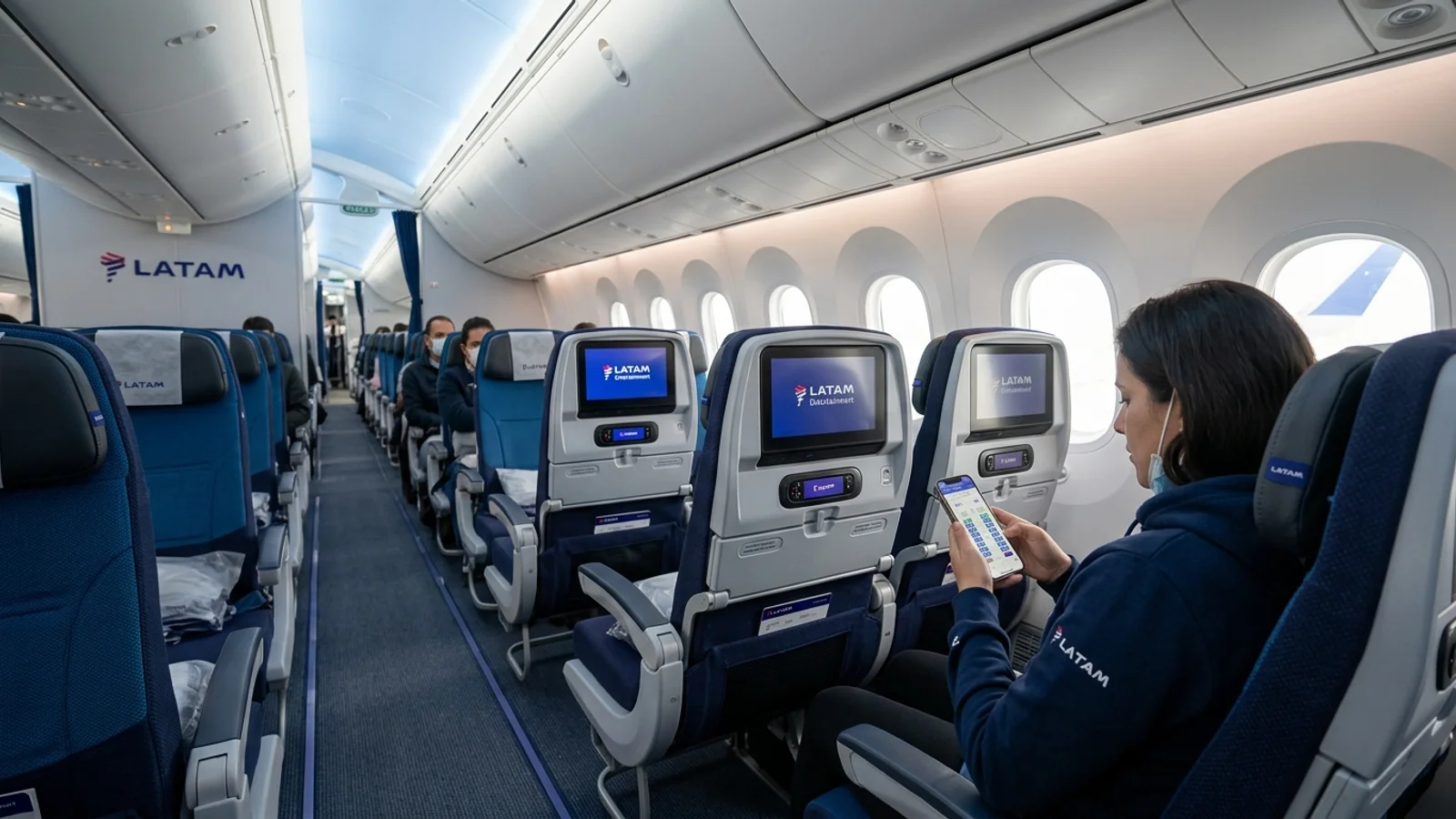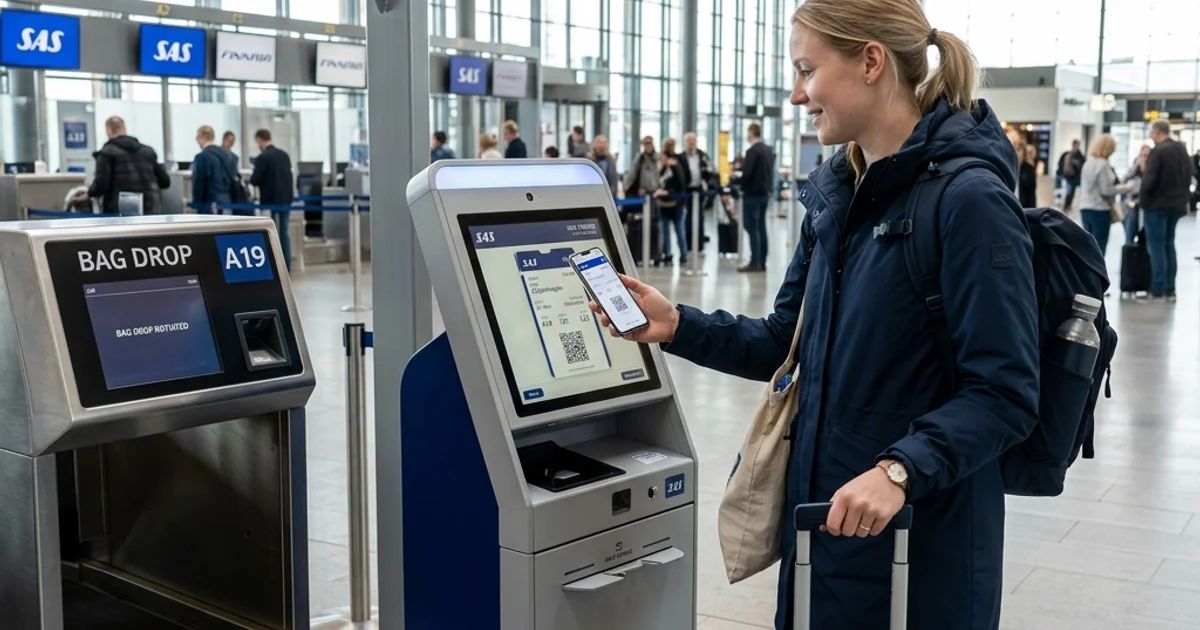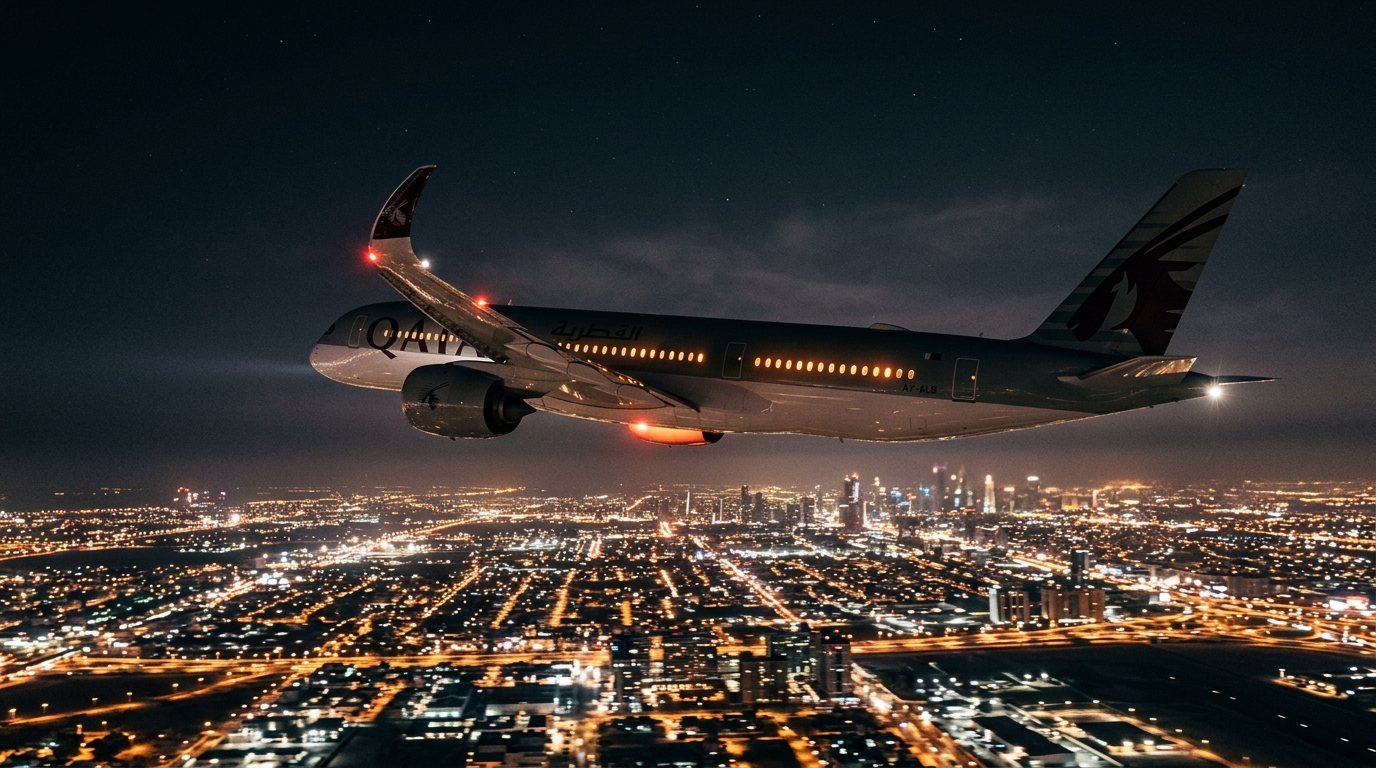
A red-eye flight generally refers to a commercial departure taking off late at night and landing early the following morning. The term is an informal expression heavily used by travelers and airlines, rather than a universal technical aviation classification. There is no globally fixed departure or arrival time that defines a red-eye; the defining characteristic is simply that the aircraft is flying while you would normally be sleeping.
Red-eye flights can be useful when you want to travel while you sleep, arrive early, or avoid losing a full daytime schedule. For many travelers, these flights allow them to maximize day-one vacation time and eliminate a night of hotel costs. But the cheapest or most time-efficient itinerary isn't always the easiest one, as the trade-off often involves sleep disruption and early-morning logistics.
What Is a Red-Eye Flight?
A red-eye flight is an overnight passenger flight. Whether you call it a red eye flight, an overnight flight, or a night flight, the concept remains the same: it departs in the evening or late night and arrives at its destination the next morning.
It is important to note that "red-eye" is common travel terminology rather than an official aviation classification. You will often see airlines market these routes as overnight flights, but the operational experience for the passenger is identical.
Why Is It Called a Red-Eye Flight?
The expression "red-eye" comes from the physical toll of overnight travel. Passengers flying overnight often experience sleep disruption, dry cabin air, and general fatigue. Consequently, travelers often disembark the next morning with tired, bloodshot, or irritated red eyes. Over time, the association became so common that the aviation industry and passengers alike adopted the term to describe any late-night departure.
Comparing Fares for Your Route?
Search live multi-airline schedules, spot discount windows, and baggage fee rules on FareWander.
How Does a Red-Eye Flight Work?
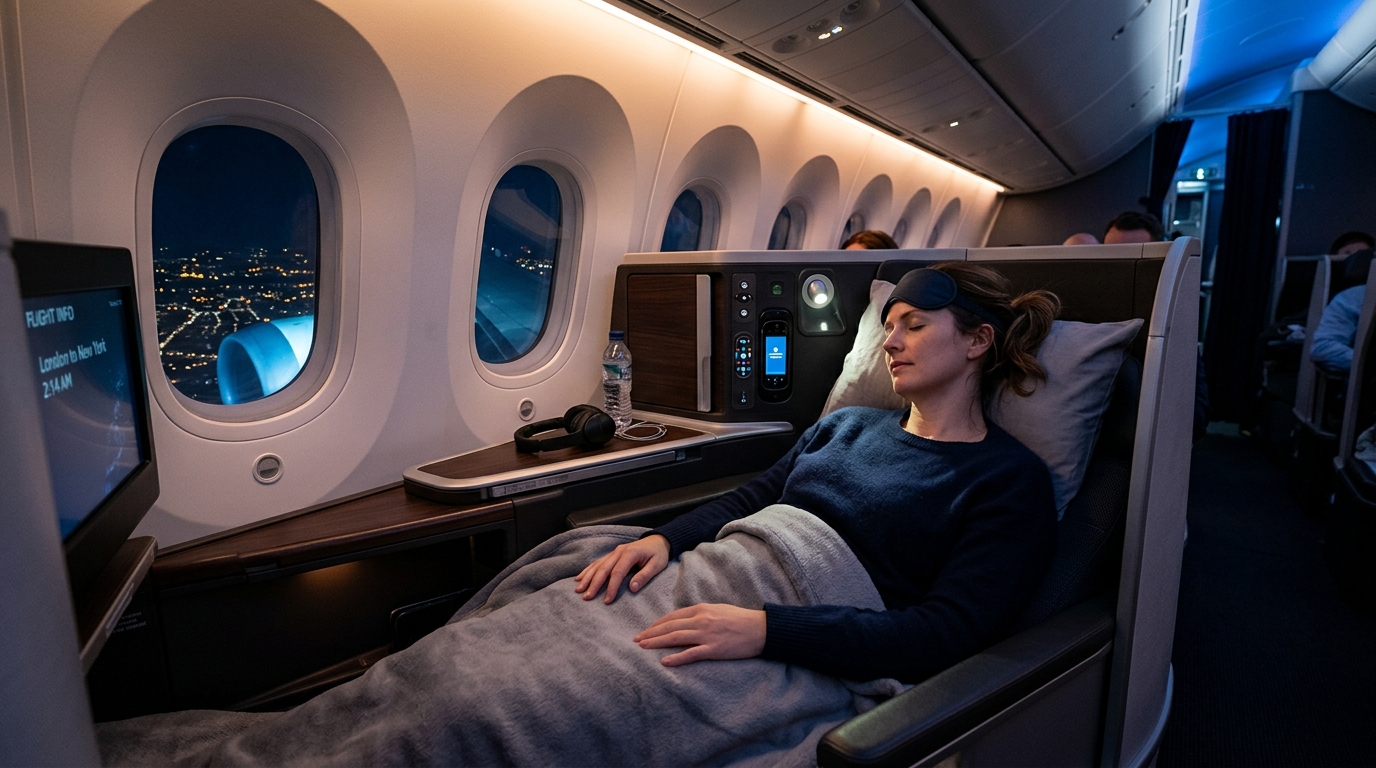
The operational mechanics of a red-eye plane flight are essentially the same as a daytime flight, but the passenger experience differs significantly:
- Travel to the airport in the evening: You arrive at the airport when terminals are often quieter, though some international hubs remain busy 24/7.
- Check in and clear required airport procedures: You drop your baggage and pass through security.
- Board late at night: Boarding usually occurs between 9:00 PM and 1:00 AM.
- Depart: The aircraft takes off and the cabin crew typically dims the main cabin lights shortly after reaching cruising altitude.
- Spend most of the flight during nighttime hours: The cabin environment is optimized for rest.
- Sleep, rest, work, read, or watch entertainment: Passengers attempt to sleep, though some may use the quiet time to work.
- Arrive in the morning: The crew brings the lights up and serves a light breakfast or coffee prior to descent.
- Continue your journey: You disembark and proceed to work, a hotel, a connecting flight, or your final destination.
The exact experience depends heavily on the route, flight duration, time zones crossed, airline policies, aircraft configuration, and the cabin class you booked.
How Long Is a Red-Eye Flight?
There is no universal duration requirement for an overnight flight. The defining feature is primarily the overnight timing rather than a specific flight length.
A red-eye can be:
- A relatively short overnight flight (e.g., a 4-hour flight from the U.S. West Coast to the Midwest).
- A medium-haul overnight flight (e.g., a 5-to-6-hour transcontinental flight).
- Part of a longer international itinerary (e.g., a 12-hour flight across the Pacific).
Do not assume a red-eye must be a long-haul journey; many short domestic flights operate as red-eyes to reposition aircraft and accommodate business schedules.
Red-Eye Flight vs Overnight Flight
These terms overlap heavily in everyday travel language, though they can carry slight nuances depending on who is speaking.
| Term | Typical meaning | Formal aviation classification? |
|---|---|---|
| Red-eye flight | Informal term for an overnight passenger flight. | Not generally a universal technical classification. |
| Overnight flight | Flight taking place overnight. | Descriptive term used widely by airlines. |
| Night flight | Flight operated during nighttime hours. | Broad descriptive term. |
Planning Travel Logistics?
Use FareWander tools to calculate flight times, luggage rules, and visa requirements.
Why Do People Take Red-Eye Flights?
Travelers choose to fly red eye for highly practical reasons:
- Save daytime hours: You travel while you would otherwise be sleeping.
- Arrive early: Perfect for morning meetings or starting a vacation immediately.
- Fit work schedules: Executives can finish a full workday, fly overnight, and be in a new city the next morning.
- Maximize a short trip: Business executives and tourists can maximize day-one vacation time.
- Connect with morning schedules: Useful for catching early-morning onward connections at major hubs.
- Potentially reduce hotel nights: You spend the night in transit, which can eliminate a night of hotel costs.
- Avoid daytime congestion: Quieter airport terminals and faster security processing late at night.
On some routes and dates, overnight flights may be priced competitively, but there is no universal rule that red-eyes are cheaper. Airfare fluctuates dynamically based on demand and inventory.
Pros of Taking a Red-Eye Flight
When deciding to book red eye tickets, consider these potential advantages:
1. Save Daytime Hours
By flying overnight, you preserve your daylight hours for sightseeing, business, or leisure rather than spending a full day sitting in an airport and an airplane.
2. Arrive Early
Red-eyes land in the morning. If you have an event, conference, or family gathering, an early arrival ensures you do not miss the day's activities.
3. Potentially Reduce Accommodation Costs
Spending the night in an airplane seat means you do not have to pay for a hotel room for that specific night, which can lower your overall trip budget.
4. Can Fit Work or Vacation Schedules
If you cannot take an extra day off work, departing at 10:00 PM on a Friday allows you to work a full week and still wake up at your weekend destination.
5. May Offer Competitive Fares
Because overnight schedules can be less desirable for some demographics, airlines frequently price red-eye flights 10% to 25% lower than daytime departures on identical routes. However, this is heavily dependent on the season and route demand.
6. Useful for Certain Time-Zone Strategies
For some travelers, sleeping on a plane and waking up in the morning at their destination helps jump-start their adjustment to a new time zone.
Cons of Taking a Red-Eye Flight
The trade-off is the central theme of overnight travel. Consider these disadvantages:
1. Sleep Can Be Difficult
Airplane seats—especially in economy class—are not beds. The cabin environment, noise, turbulence, and proximity to other passengers can make sleep incredibly challenging.
2. Fatigue After Arrival
A major drawback is potential sleep disruption and jet lag upon arrival. If you do not sleep well on the plane, you will begin your first day exhausted.
3. Early-Morning Arrival Logistics
An early morning arrival may precede hotel check-in times by several hours. You may be forced to wander a city with your luggage while waiting for a 3:00 PM check-in.
4. Ground Transportation
Public transit, taxis, rideshares, or rental counters may have reduced operating hours if you land exceptionally early (e.g., 4:30 AM).
5. Jet Lag
Crossing multiple time zones disrupts your circadian rhythm. Arriving exhausted from an overnight flight can sometimes compound the symptoms of jet lag rather than prevent them.
6. Less Comfortable Than a Daytime Flight for Some Travelers
Sitting upright for hours is generally less tolerable when your body physically craves deep sleep compared to a daytime flight when you are naturally awake.
7. Work/Events the Same Day
While arriving early for a meeting is a pro, having to perform at a high level immediately after landing on zero hours of sleep is a severe con.
Are Red-Eye Flights Cheaper?
Often, yes, but not always. Red-eye flights are frequently priced 10% to 25% lower than daytime flights on identical routes. However, you should not claim or assume that red-eye flights are always cheaper.
Flight pricing is highly dynamic. Airfare depends on the route, seasonal demand, travel date, airline competition, and remaining seat inventory. Travelers must compare the total itinerary cost.
Practical Comparison Example:
- Option A: Daytime flight. Higher base fare. Normal afternoon arrival. You pay for a hotel that night and sleep comfortably.
- Option B: Red-eye flight. Lower base fare. Early morning arrival. You save a hotel night, but you might have to pay for early check-in, or you end up so fatigued you lose a day of productivity.
The cheaper ticket may not be the cheaper overall trip if you factor in the physical toll and logistical workarounds.
Is a Red-Eye Flight Worth It?
Choosing between an overnight flight and a daytime flight comes down to a simple decision framework.
A red-eye may be worth considering if:
- You value saving daytime hours for exploration or work.
- You can sleep reasonably well on airplanes.
- You have a flexible schedule after arrival to rest if needed.
- The price difference is meaningful enough to matter to your budget.
- Airport transportation is readily available at your arrival time.
- You do not have a high-stakes, demanding event immediately after landing.
A daytime flight may be better if:
- You need to be highly productive immediately upon arrival.
- You struggle to sleep while traveling.
- The price difference is small.
- You prefer arriving rested and checking straight into a hotel.
- Early-morning ground transportation at your destination is inconvenient or unavailable.
How to Sleep on a Red-Eye Flight
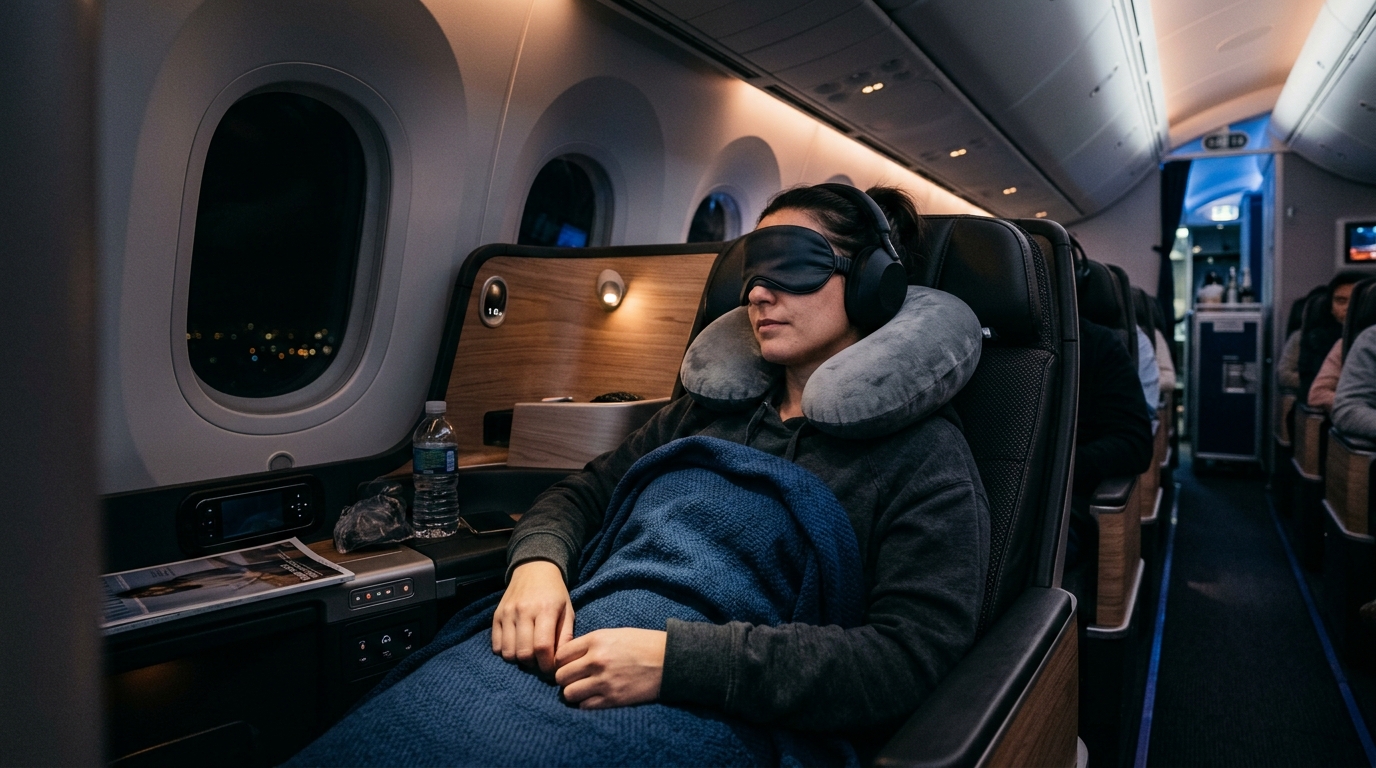
Getting rest on a red eye airplane requires preparation. Consider these practical tips:
- Choose a seat that suits your sleep preferences: Select your seat carefully before booking.
- Consider a window seat: It allows you to lean against the cabin wall and prevents you from being disturbed when your seatmates need to use the restroom.
- Use an eye mask: Blocking out cabin lights and reading lamps is crucial for signaling your brain it is time to sleep.
- Use earplugs or noise-cancelling headphones: Airplane cabins are loud; reducing ambient engine noise helps immensely.
- Dress comfortably: Wear loose, breathable layers to adjust to fluctuating cabin temperatures.
- Minimize screen use: Avoid the blue light of the seatback screen or your phone right before attempting to sleep.
- Keep essential items accessible: Keep your travel pillow, water, and headphones in your personal item under the seat so you do not have to open the overhead bin.
- Avoid relying on alcohol: While a drink might make you drowsy, it generally degrades sleep quality and leads to dehydration.
For individualized sleep advice or the use of sleep aids (such as melatonin), travelers should consult a healthcare professional.
How to Reduce Jet Lag After a Red-Eye Flight
It is important to understand the difference between general sleep loss (from sleeping poorly in an economy seat) and jet lag. Jet lag is a circadian rhythm disruption caused by rapidly crossing multiple time zones.
According to the CDC's travelers' health resources, jet lag symptoms can include daytime sleepiness, difficulty sleeping at the destination, reduced concentration, mood changes, and general fatigue.
Practical strategies to manage this include:
- Adjusting your sleep schedule slightly before travel.
- Following your destination's daytime routines immediately upon arrival.
- Managing light exposure (getting natural sunlight to help reset your internal clock).
- Staying properly hydrated throughout the flight.
- Using caffeine strategically rather than continuously.
- Taking short 20-to-30-minute naps rather than long daytime sleeps, where appropriate, to avoid ruining your next night's sleep.
What Should You Eat and Drink on a Red-Eye Flight?
Your diet during transit impacts how you feel the next day.
- Hydration: Airplane cabins have notoriously low humidity. Drink plenty of water before and during the flight.
- Avoid excessive alcohol: Alcohol exacerbates dehydration and disrupts REM sleep.
- Caffeine timing: Avoid coffee or energy drinks right before boarding if you plan to sleep. Save the caffeine for the morning arrival.
- Light meals: Heavy, rich foods can cause bloating or indigestion at altitude. Opt for light, easily digestible meals if you choose to eat.
- Destination schedule: If practical, try to time your eating to match the meal schedule of your destination.
What Seat Is Best for a Red-Eye Flight?
Seat preferences are highly personal, but each location offers distinct pros and cons for overnight travel:
- Window seat: Generally considered the best for sleep. You have a wall to lean against, you control the window shade, and you will not be woken up by a neighbor needing to get to the aisle.
- Aisle seat: Best if you have long legs, need frequent access to the restroom, or like to stretch. However, you risk being bumped by beverage carts or woken up by your seatmates.
- Middle seat: Usually the least desirable for sleep, as you lack both aisle access and a wall to lean on, though personal preferences differ.
Keep in mind that seat pitch, recline capabilities, and aircraft configuration vary wildly by airline and cabin class.
What Should You Pack for a Red-Eye Flight?
A well-packed carry-on can vastly improve your overnight experience. Consider this practical checklist:
- Eye mask
- Earplugs or noise-cancelling headphones
- Supportive travel pillow
- Reusable water bottle (fill it after passing through security)
- Lip balm and moisturizer to combat dry cabin air
- Comfortable, warm layers (cabins often get cold at night)
- Phone charger and power bank (subject to your airline's specific battery rules)
- Essential daily medication
- Passport and required travel documents (if flying internationally)
- Toothbrush, toothpaste, and basic hygiene items to freshen up before landing
Red-Eye Flights With a Connecting Flight
If your itinerary involves connecting flights, a red-eye adds a layer of complexity.
- Connection timing: Ensure your layover is long enough to handle potential morning delays, but not so long that you are exhausted in the terminal.
- Overnight arrival/departure: Pay attention to airport operating hours. Some regional airports close overnight, while major global hubs stay open 24/7.
- Baggage: On single-ticket connections, your checked bags are typically routed to your final destination. On self-transfer (separate ticket) itineraries, you must collect and re-check bags, which can be grueling on zero sleep.
Are Red-Eye Flights Safe?
Yes. Commercial aviation is highly regulated, and flight safety should not be judged simply by whether a flight operates overnight. The FAA and global aviation authorities maintain stringent regulations regardless of the hour.
It is important to distinguish between passenger tiredness and aviation crew fatigue. While you may feel groggy in seat 14B, the pilots and crew operating the aircraft are subject to strict, legally mandated rest periods to ensure operational safety.
Red-Eye Flights and Cabin Crew
Overnight operations involve specific crew duty and rest considerations. Aviation regulatory bodies (such as the FAA in the United States) strictly govern maximum duty hours and minimum rest periods for pilots and flight attendants. This ensures that the crew remains alert and capable of managing both routine operations and emergencies, regardless of whether it is 2:00 PM or 3:00 AM.
Red-Eye Flight Tips for First-Time Travelers
If you are preparing for your first overnight flight, follow this checklist to minimize the disruption:
BEFORE BOOKING:
- Compare the base fare against a daytime flight.
- Check the exact arrival time.
- Verify that airport transportation will be running when you land.
- Check with your hotel about early check-in policies or luggage storage.
- Review cancellation and change conditions.
BEFORE DEPARTURE:
- Eat a moderate, healthy meal before heading to the airport.
- Prepare your sleep accessories (mask, earplugs, pillow) in your personal item.
- Charge all necessary devices.
- Download offline entertainment just in case you cannot sleep.
- Keep your travel documents easily accessible.
DURING FLIGHT:
- Settle in early and set up your space.
- Adjust your watch or phone to destination time immediately.
- Rest as much as possible, even if you cannot fall into a deep sleep.
- Stay hydrated.
- Avoid excessive alcohol and caffeine.
AFTER ARRIVAL:
- Follow your destination’s daylight schedule.
- Avoid excessive daytime sleep if you are trying to adjust to a new time zone.
- Get appropriate natural daylight exposure.
- Plan a relatively easy, low-stress first day if possible.
Red-Eye Flight Checklist
Use this quick-reference table to stay organized:
| Phase | Action Items |
|---|---|
| Before booking | Compare total costs, check arrival transit, confirm hotel check-in times. |
| Before boarding | Eat a light meal, hydrate, charge devices, pack sleep aids in your personal item. |
| During flight | Use an eye mask/earplugs, limit screen time, avoid alcohol, try to rest. |
| After landing | Freshen up in the restroom, hydrate, seek sunlight, stay awake until local evening if possible. |
Frequently Asked Questions
A red-eye flight is an informal term for a commercial flight that departs late at night and arrives early the following morning, traveling overnight.
Conclusion
Deciding whether to book a red-eye flight comes down to your personal travel style and itinerary goals. If saving daytime hours, maximizing a short trip, or arriving early matters more to you than getting a full, uninterrupted night's sleep in a bed, a red-eye can be a highly efficient and smart option. Conversely, if you struggle to sleep on planes and need to be sharp and productive immediately after landing, a daytime flight may be the better overall value—even if the base airfare costs slightly more.
Authoritative Aviation & Sleep Science Sources
- Federal Aviation Administration (FAA): Flight Crew Flight Duty and Rest Requirements (14 CFR Part 117) governing overnight flight safety.
- Aerospace Medical Association (AsMA): Medical Guidelines for Airline Travel & Circadian Rhythm Management.
- Centers for Disease Control and Prevention (CDC) Yellow Book: Jet Lag & Circadian Phase Shifting in Air Travel.
- International Air Transport Association (IATA): Medical Manual for Passenger Health & In-Flight Hydration Standards.