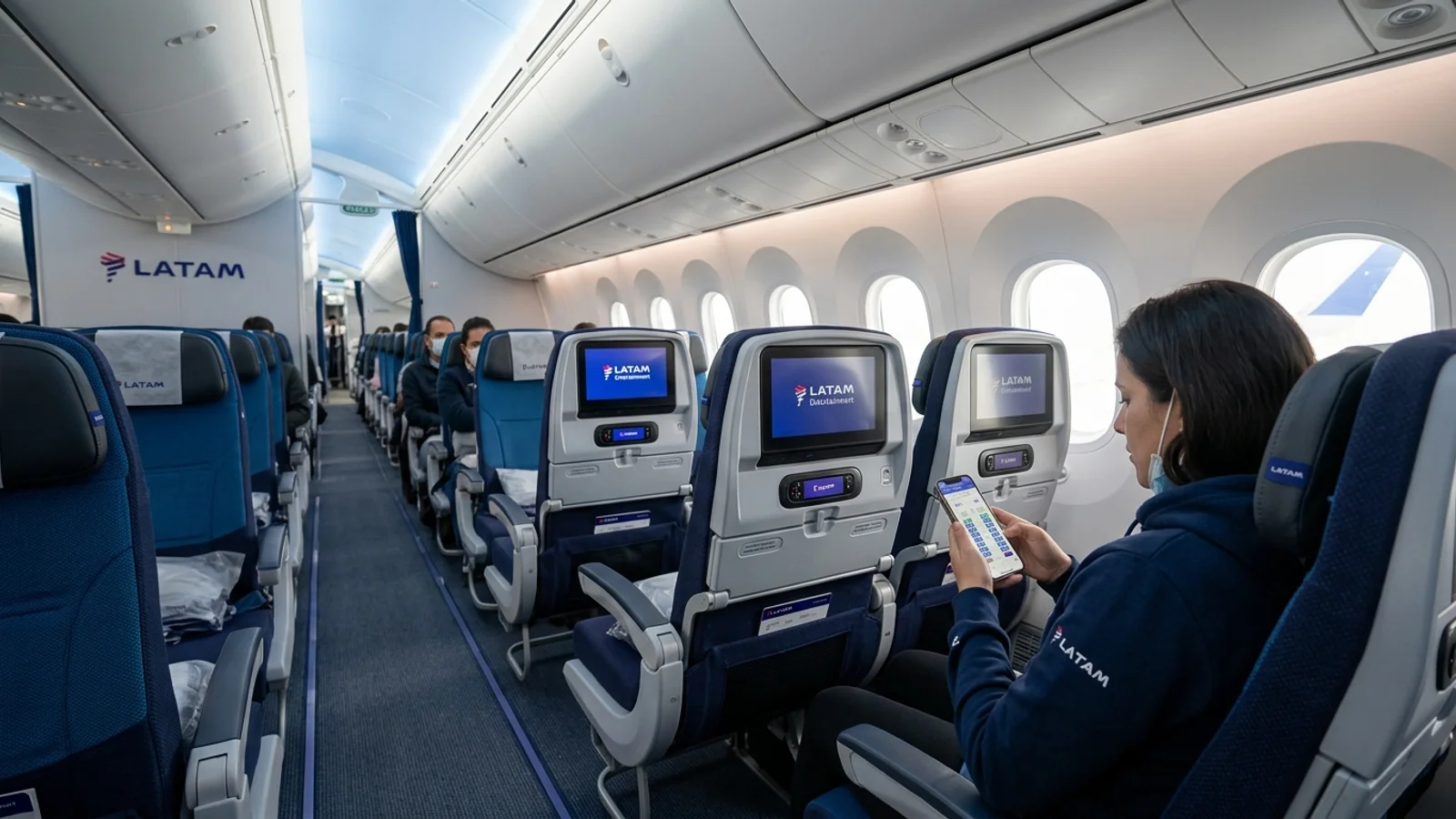
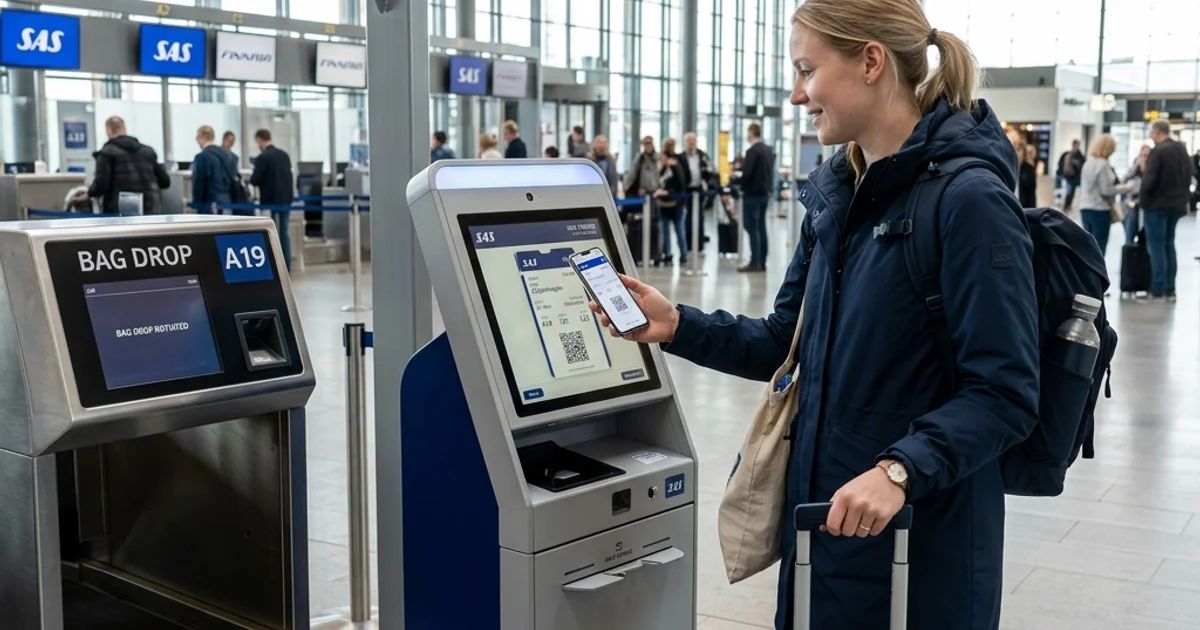
If your flight ticket says "Operated by [Airline]," it means that airline is physically responsible for operating that flight segment. The airline named elsewhere on your booking may be the marketing carrier—the airline selling the flight under its own flight number.
In modern commercial aviation, it is incredibly common to buy a ticket through one airline's website, only to find another airline's name attached to the actual physical flight. This often happens because airlines form codeshare partnerships to expand their global reach without having to fly their own aircraft to every destination. However, a codeshare is not the only reason this happens. Regional operations and wet-lease arrangements can also result in a difference between the airline you paid and the airline flying the plane.
Understanding who actually operates your flight is essential for a smooth travel day, as it dictates where you go at the airport, who handles check-in, whose baggage limits apply, and what to expect when you board.

- ✓ Operated by: The airline physically operating the aircraft and providing the flight crew.
- ✓ Marketing airline: The airline selling/marketing the flight under its own flight number.
What Does "Operated By" Mean on a Flight Ticket?
To explain this in simple terms, let’s look at a fictional booking example.
Your Booking:
- Flight: FA1234
- Route: Delhi → Dubai
- Marketed by: Airline A
- Operated by: Airline B
In this scenario:
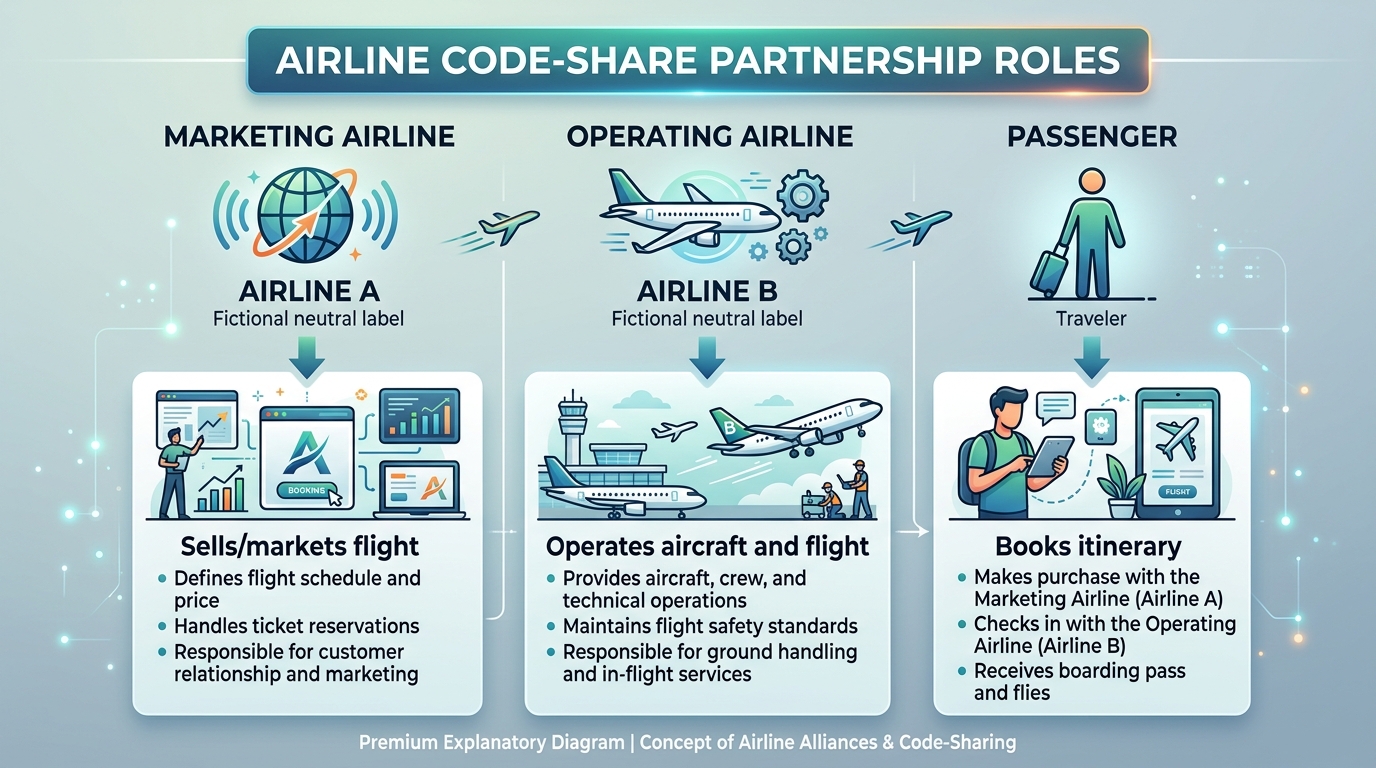
- Airline A markets the flight and sells you the ticket on their website.
- Airline B operates the physical aircraft.
- Airline B normally provides the operating flight and cabin crew.
- The flight may still appear under Airline A's flight number on your itinerary and on airport departure boards.
When you see "Operated by," it is the aviation industry's way of transparently telling you exactly whose airplane you will be stepping onto.
What Is an Operating Airline?
The terms operating airline, operating carrier, and aircraft operator all refer to the same thing: the airline that is actually conducting the physical flight.
The operating carrier is responsible for providing the physical aircraft and the flight crew (the pilots). Usually, they also provide the cabin crew and handle the operational responsibilities on the day of travel. While the operating airline physically manages the flight, it is important to note that not every single passenger-service detail—such as the exact catering or specific branding on your headrest—is always controlled exclusively by them, as partner airlines sometimes customize elements of the shared service.
Comparing Fares for Your Route?
Search live multi-airline schedules, spot discount windows, and baggage fee rules on FareWander.
What Is a Marketing Airline?
A marketing airline (or marketing carrier) is the airline that sells a flight under its own airline code and flight number, even though another airline actually operates the aircraft.
Airlines do this to offer their customers a broader range of destinations. If a marketing carrier does not have the physical aircraft available to fly a specific route, they partner with an operating carrier that does. This allows the marketing airline to seamlessly sell you a ticket to a destination they don't serve directly, keeping your entire itinerary under their brand umbrella.
Operating Airline vs Marketing Airline
Understanding the distinction between these two entities is crucial for managing your booking.
| Aspect | Operating Airline | Marketing Airline |
|---|---|---|
| Operates Aircraft | Yes | No |
| Operates Flight | Yes | No |
| Provides Operating Crew | Yes | No |
| Flight Number | Uses its own core flight number internally | Sells/markets flight under its own flight number |
| Sells / Markets Ticket | No (for this specific traveler) | Yes |
| Customer-Facing Booking | No | Yes |
| Baggage Policy | Depends on itinerary & airline agreements (MSC rule) | |
| Check-in Location | Usually at the operating airline's airport counters/app | |
Why Does My Ticket Show a Different Airline?
It is perfectly normal in commercial aviation to see a different airline listed under "Operated by." Here are the most common reasons:
- Codeshare agreement: Two separate airlines agree to share the same physical flight, allowing one to market the flight while the other operates it.
- Airline partnership / Alliance: Strategic alliances (like Star Alliance, SkyTeam, or oneworld) where partner airlines feed traffic into each other's networks.
- Network connectivity: Large carriers use smaller regional partners to connect passengers from remote cities to major international hubs.
- Regional/partner operations: A major brand contracts a smaller regional carrier to operate short-haul feeder flights on their behalf.
- Wet-lease arrangements: An airline temporarily leases an aircraft and crew from another company to cover equipment shortages or seasonal demand.
- Interline relationships: Airlines agree to handle passengers and baggage across each other's separate networks on a single ticket.
Planning Travel Logistics?
Use FareWander tools to calculate flight times, luggage rules, and visa requirements.
Is "Operated By" the Same as a Codeshare Flight?
Not necessarily. This is a vital distinction.
- Codeshare: A commercial arrangement where one airline markets a flight operated by another airline under its own flight number.
- "Operated by": A label identifying the carrier that physically operates the flight.
Therefore, a codeshare flight commonly displays "Operated by" on the ticket. However, "operated by" itself is not a definition of codeshare. You might see "Operated by" because of a wet-lease or a regional franchise agreement, neither of which are traditional codeshares.
What Is a Codeshare Flight?
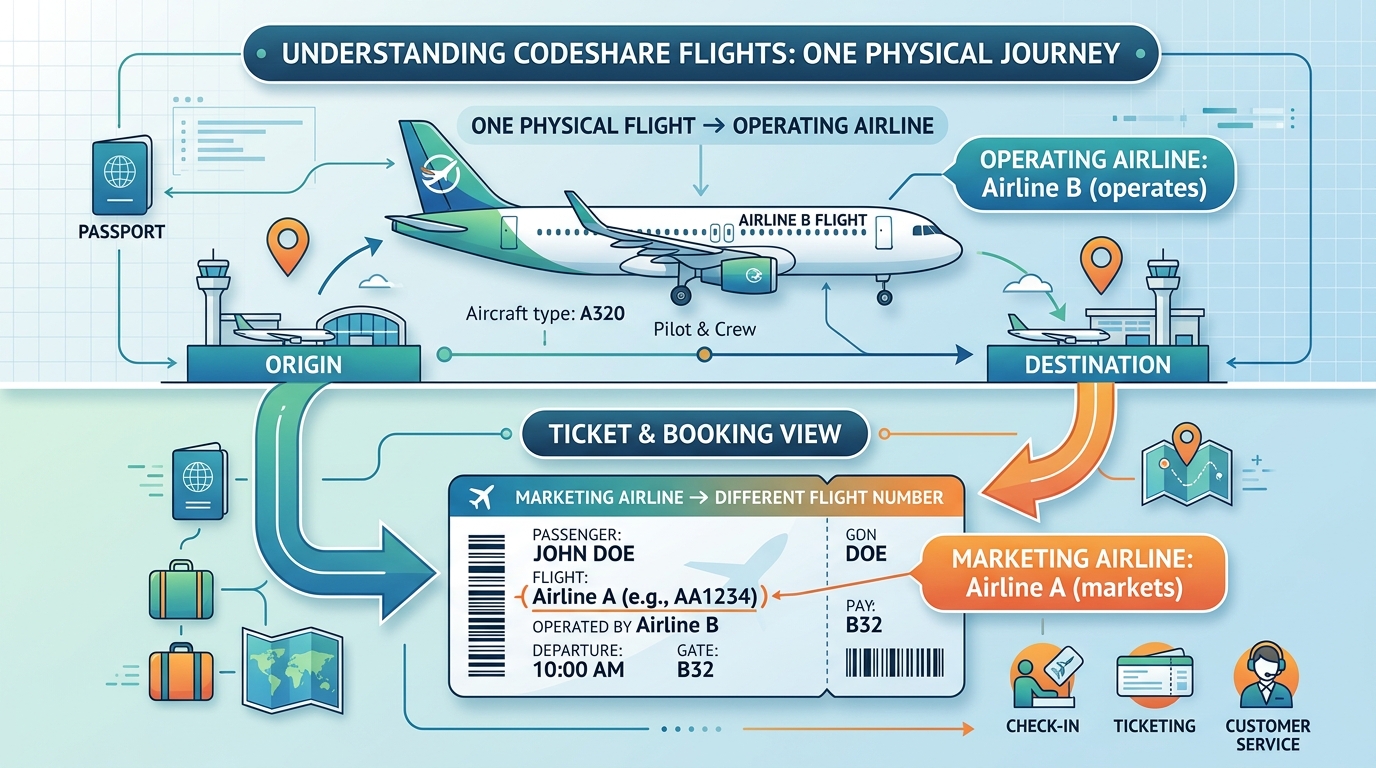
A codeshare flight is a specific commercial partnership where two or more airlines share the exact same physical flight. One airline operates the flight, but multiple airlines may market and sell seats on that exact same aircraft using their own unique flight numbers.
To learn more about how these specific partnerships function, read our detailed guide on What Is a Codeshare Flight? How Codeshare Flights Work.
What Does "Operated By" Mean for Your Aircraft?
The operating carrier generally provides the aircraft used for that flight segment. When you walk down the jet bridge, the plane will usually be painted in the operating carrier's colors and feature their seating configuration.
However, aircraft ownership and operation are not necessarily identical. An aircraft may be owned outright by the operating airline, leased from an aviation finance company, or wet-leased from an entirely different operator. Regardless of the financial ownership, the airline listed under "Operated by" is the one responsible for the safe and compliant operation of that specific flight.
What Does "Operated By" Mean for Cabin Crew?
The operating carrier generally provides the crew operating the flight. When you board, the flight attendants will typically be wearing the uniform of the operating airline.
It is important to clarify that while the cabin crew may be from the operating carrier, service standards may vary. Codeshare partners can have different commercial arrangements, meaning the food, amenities, or hospitality style might reflect a blend of both airlines' standards, or adhere strictly to the operating carrier's usual product.
Which Airline Do You Check In With?
Airport check-in is frequently the most confusing part of an "operated by" itinerary.
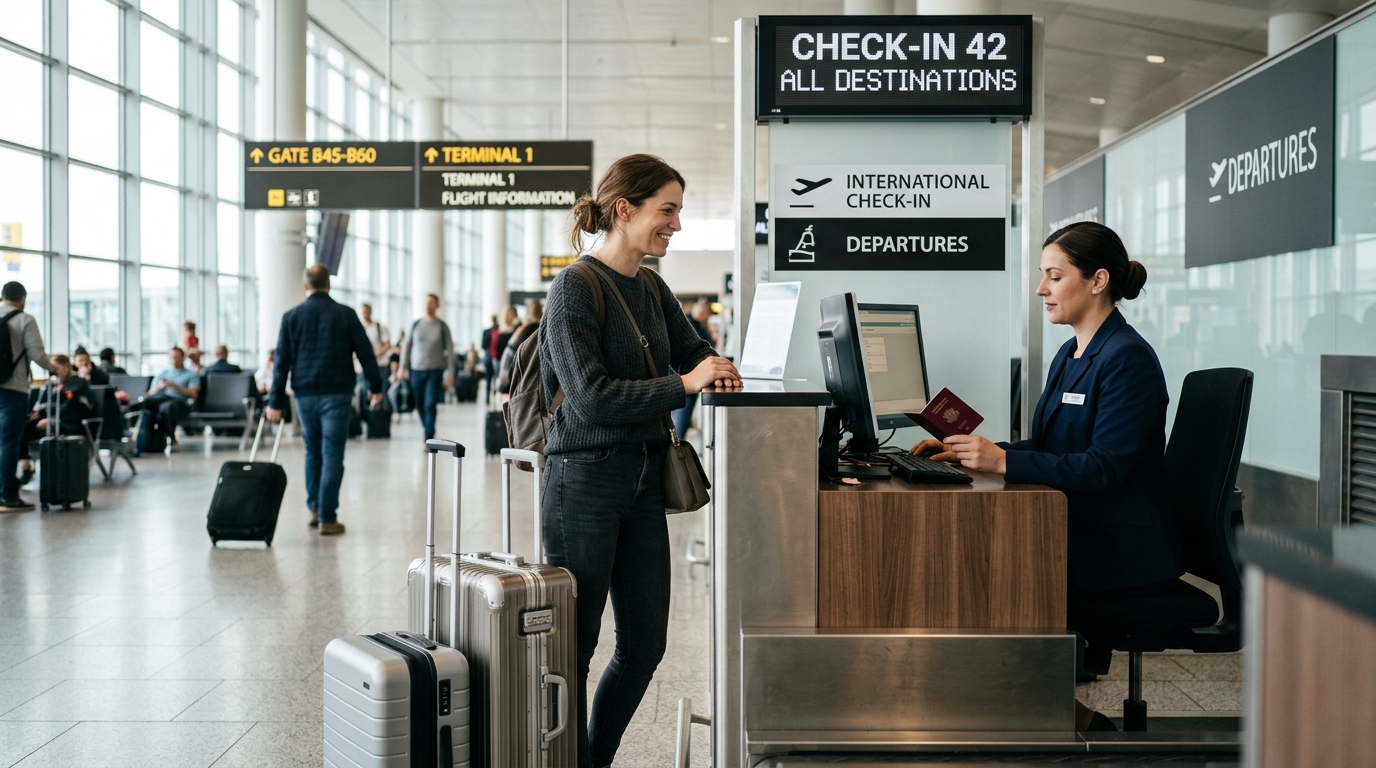
Check-in requirements may depend on:
- Operating airline
- Marketing airline
- Departure airport & terminal layout
- Ticket structure
- Route & connection type
- Codeshare arrangement
In many cases, the operating carrier handles airport check-in for the flight because they control the physical aircraft, seat maps, and boarding passes for that specific departure. However, travelers should always follow the instructions on their booking confirmation and the airline's official website. If you are checking in online, the marketing airline's app will often redirect you to the operating airline's system if necessary.
Which Airline's Baggage Rules Apply?
Baggage rules are rarely one-size-fits-all. They can depend on the itinerary, ticketing carrier, marketing carrier, operating carrier, route, and journey type.
Generally, for international travel, the "Most Significant Carrier" (MSC) rule dictates that the baggage policy of the airline operating the longest geographical segment applies. However, depending on consumer protection laws (such as US DOT regulations), the marketing carrier on the first segment might dictate the rules for the whole trip.
Key Rules to Remember:
- Carry-on Baggage: Carry-on size and weight limits strictly follow the operating airline's overhead bin rules.
- Checked Baggage: Always check the baggage allowance displayed on your final booking confirmation.
- Separate Tickets: If you are traveling on separate tickets, baggage transfer between operating carriers is not guaranteed.
Who Do You Contact If Something Goes Wrong?
If your travel plans are disrupted, the airline you need to contact changes depending on when and where the issue occurs:
- BEFORE DEPARTURE: Check the airline shown on your booking confirmation. Usually, the marketing/ticketing airline handles changes, cancellations, and refunds before the day of travel.
- AT THE AIRPORT: Follow airport and airline instructions.
- FLIGHT DELAY: Check operating airline flight status. The operating airline handles immediate airport re-accommodation, meals, or hotel vouchers.
- MISSED CONNECTION: If booked on a single protected ticket, the airline is generally responsible for rebooking you. If booked on separate tickets, you assume the risk of the misconnection.
- CANCELLATION: Follow the operating airline's day-of disruption instructions at the airport. The ticketing airline handles backend financial rebooking or refunds.
What Happens If the Operating Airline Is Different From the Airline You Booked With?
This is incredibly normal in commercial aviation. It simply means you need to be slightly more attentive to your travel details.
Travelers should double-check:
- Operating carrier name
- Marketing carrier name
- Airport terminal location
- Check-in location & app
- Baggage allowance (carry-on & checked)
- Seat assignment rules
- Boarding process
- Loyalty program earnings
- Disruption contact numbers
Does the Operating Airline Determine the In-Flight Experience?
The operating airline generally provides the physical aircraft, the flight crew, the cabin crew, and the onboard operational environment.
But commercial arrangements can affect the final product. Catering, branding, loyalty benefits, and service expectations might be customized if the two airlines have a deep joint-venture partnership. You might be on an aircraft operated by a regional partner, but receive the exact same snacks and beverages you would expect from the mainline marketing carrier.
Can I Choose My Seat If Another Airline Operates the Flight?
Seat selection on a flight operated by a different carrier can be tricky. It may depend on:
- Marketing airline IT systems
- Operating airline seat map rules
- Purchased fare type
- Aircraft configuration
- Codeshare agreement depth
A seat selected on one airline's website may sometimes need confirmation with the operating carrier. This happens because the marketing airline's computer system must communicate with the operating airline's seating map. You may need to take your 6-character booking reference and plug it directly into the operating airline's website to secure your seat.
Do I Earn Miles From the Marketing Airline or Operating Airline?
Mileage and points earning can depend on a variety of factors:
- Loyalty program rules
- Marketing carrier
- Operating carrier
- Booking class code (e.g., Y, B, M, or Basic Economy)
- Specific fare type & route
Always use official loyalty-program sources to calculate your earnings. Earning miles on a flight operated by another airline is not guaranteed, and whether you earn based on the marketing carrier's charts or the operating carrier's charts depends entirely on their specific bilateral agreement.
Can I Use Airline Status Benefits on an "Operated By" Flight?
If you hold elite status, your possible benefits may include priority boarding, lounge access, increased baggage allowance, seat benefits, and priority check-in.
But eligibility depends entirely on:
- Loyalty program partnership rules
- Airline alliance membership (Star Alliance, SkyTeam, oneworld)
- Specific route & fare class
- Departing airport lounge access rules
Never assume your marketing airline status automatically translates to VIP treatment on the operating airline without checking the partnership rules first.
What Is a Wet Lease and How Is It Different?
A wet lease is an arrangement where one airline or operator provides an aircraft together with a crew, maintenance, and insurance (ACMI) to another airline under a leasing arrangement.
A passenger may see one airline associated with the ticket while another operator is responsible for the actual flight because the marketing airline simply needed extra capacity and leased the entire physical operation temporarily.
Key Distinction:
- Codeshare: A commercial/marketing agreement between two separate airlines to sell seats on each other's scheduled flights.
- Wet lease: An aircraft and crew operational arrangement to fulfill a flight schedule during fleet shortages.
Does "Operated By" Affect Flight Safety?
The fact that another airline operates the flight does not by itself indicate that the flight is less safe.
Commercial aviation is subject to strict applicable aviation safety regulations. Safety standards and oversight depend on the relevant national aviation authorities (like the FAA or EASA) and the operating arrangements in place. Airlines conduct stringent safety audits (like the IATA Operational Safety Audit) before allowing their passengers to fly on partner metal.
Does "Operated By" Affect the Flight Number?
Yes. The flight number displayed to the traveler may belong to the marketing carrier, while the operating carrier may use a completely different flight number internally or commercially.
Example:
- Booking: FA1234 (Marketing Airline A)
- Operated by: Airline B (Internal Flight B990)
The physical flight operated by Airline B can be associated with multiple codeshare flight numbers simultaneously on the airport departure board to prevent passenger confusion.
How to Find the Operating Airline Before Booking
Before you finalize your purchase, follow these steps:
- Open the flight details on the booking screen.
- Look for the phrase "Operated by."
- Check the operating carrier name.
- Check the marketing carrier name.
- Open baggage information & carry-on limits.
- Check seat-selection rules.
- Check check-in instructions & terminal location.
- Review loyalty miles earning rules.
- Verify connection protection on multi-leg trips.
How to Read "Operated By" on a Booking
Here is a fictional example of what you might see when reviewing your flight itinerary online or via email:
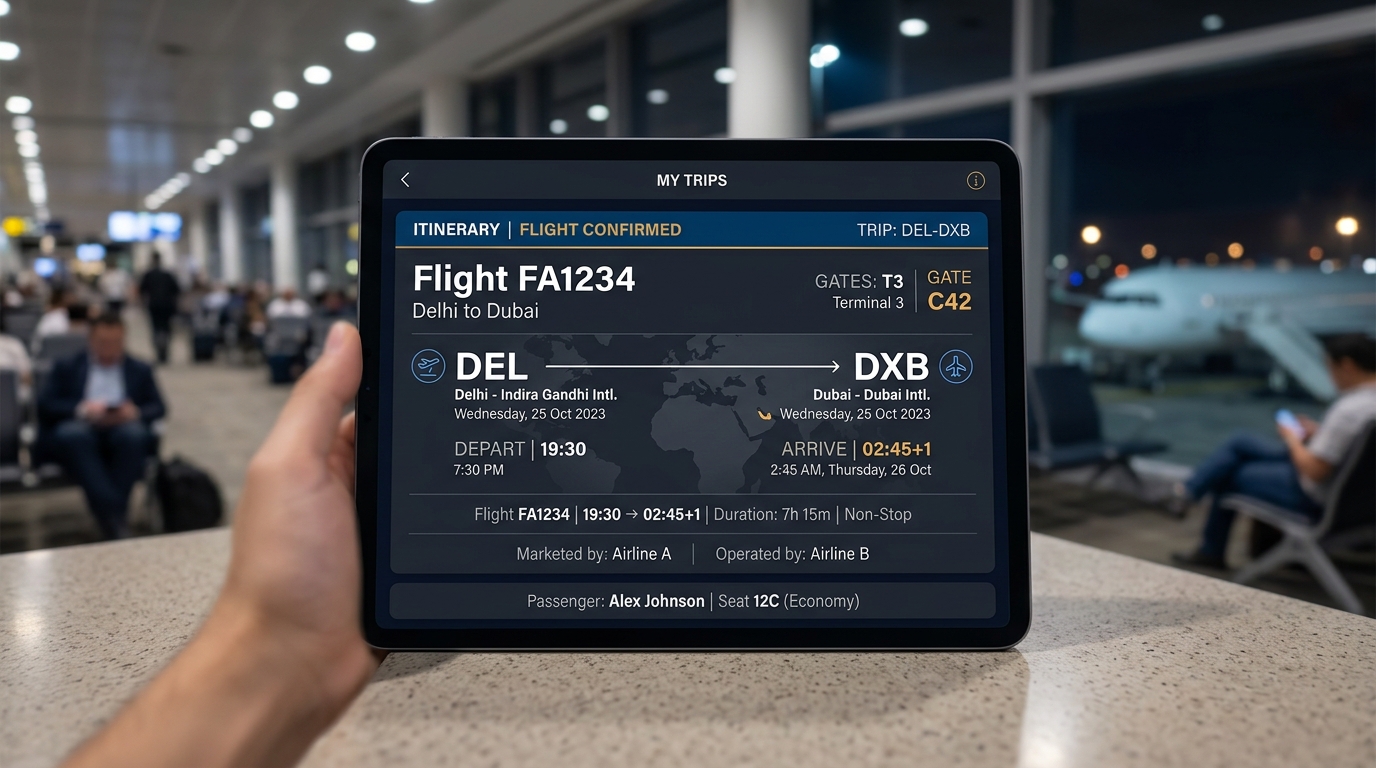
- Flight FA1234: This is the marketing airline's flight number.
- Marketed by Airline A: The airline that sold you the ticket and collected your payment.
- Operated by Airline B: The airline providing the aircraft and the crew. You will likely walk onto Airline B's plane.
- Cabin: Economy: The class of service you booked.
What Does "Operated By" Mean on a Boarding Pass?
The operating carrier may be displayed differently depending on the airline and the specific airport's printing software. Some boarding passes prominently feature the operating airline's logo, while others prioritize the marketing carrier.
To ensure you are in the right place, travelers should check the flight number, operating carrier, gate, boarding time, and terminal.
What Does "Operated By" Mean for Connecting Flights?
A multi-segment itinerary can be highly complex. You might have one marketing airline, but multiple operating airlines and multiple flight numbers across the entire journey.
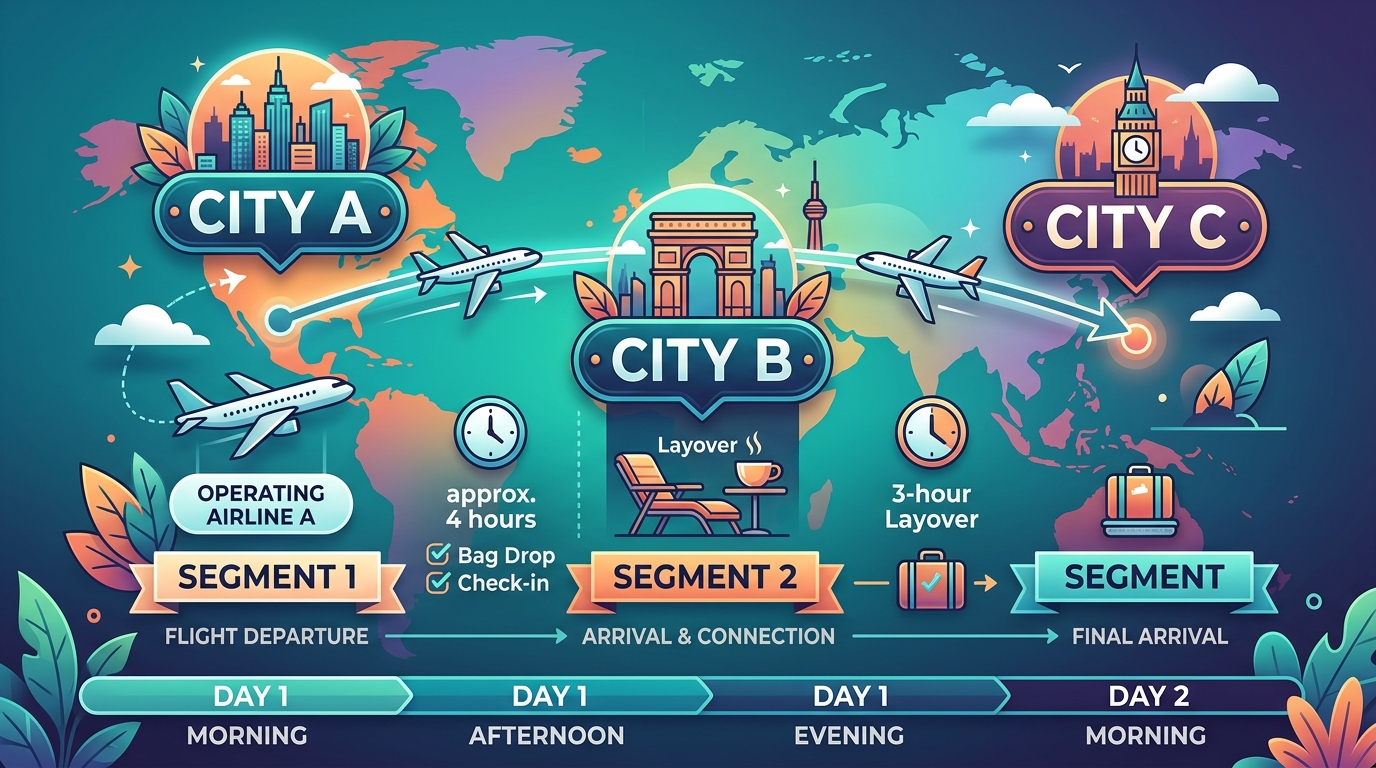
Each separate segment may have a different operating carrier. This means you must pay close attention to baggage transfer rules, check-in requirements for the second leg, potential terminal changes, and whether your connection is protected.
For more detailed information on navigating complex stops, read our guide on What Is a Layover?.
What Should You Check Before Booking?
Use this quick checklist to ensure a smooth journey:
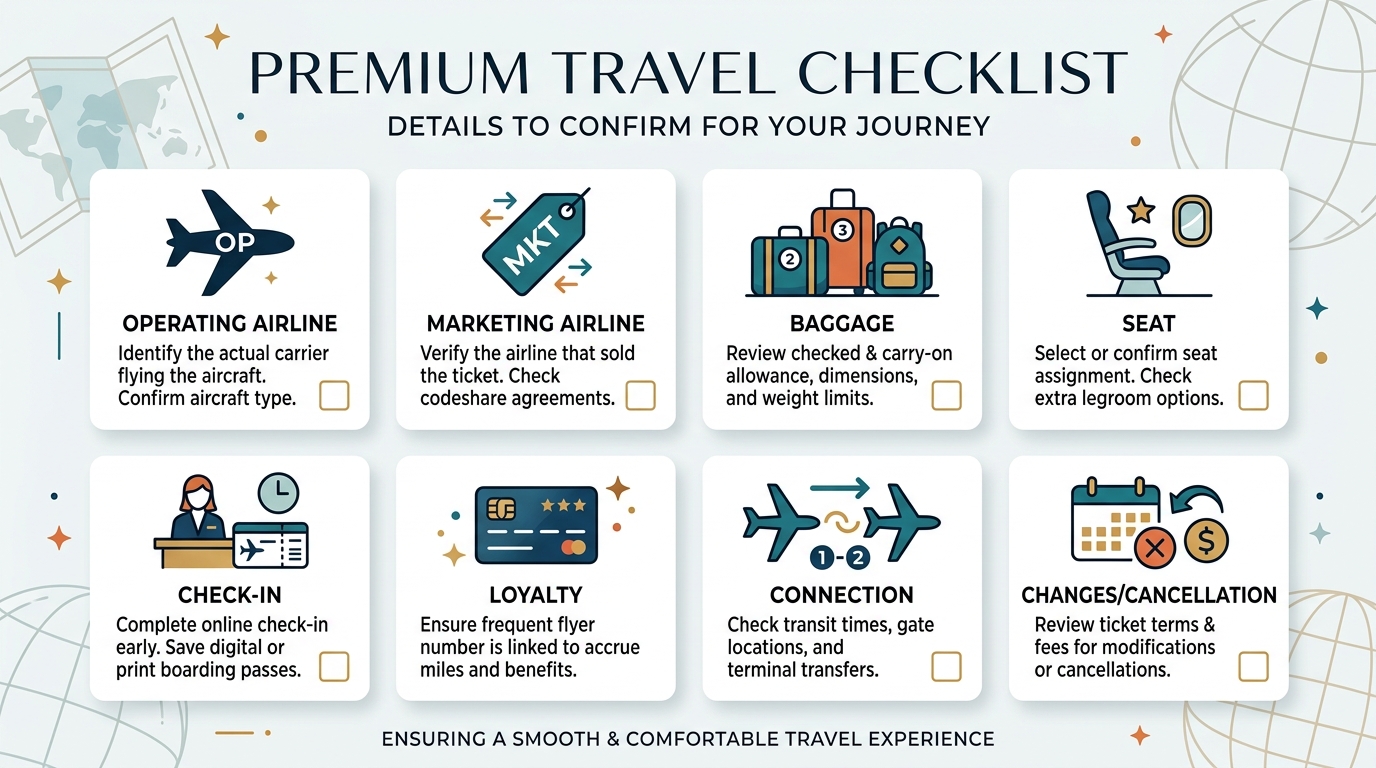
- Marketing airline
- Operating airline
- Flight number
- Aircraft / flight details
- Checked baggage allowance
- Carry-on baggage allowance
- Seat selection policy
- Check-in process & location
- Boarding rules
- Loyalty benefits & mile earning
- Change / cancellation policy
- Connection protection
- Departure & arrival terminals
Common Mistakes Travelers Make
Avoid these frequent pitfalls when flying on an "Operated by" itinerary:
- Assuming the airline logo on the booking email is the operating airline.
- Ignoring the "operated by" fine print during the checkout process.
- Assuming baggage rules are identical across both marketing and operating carriers.
- Assuming seat selection works the same way and is free.
- Assuming loyalty benefits are automatic without checking partnership tiers.
- Assuming codeshare means two separate physical flights.
- Assuming a different operating airline means there is a problem with the booking.
- Ignoring the operating carrier during day-of-travel disruptions.
- Booking a tight connection without checking the operating airport/terminal requirements.
- Relying on old airline policies rather than checking current rules.
Frequently Asked Questions
It identifies the airline that physically operates the aircraft and provides the crew for that specific flight segment.
Conclusion
When you see "Operated by" on a flight ticket, it tells you which airline is actually operating that flight segment. The airline shown as the marketing carrier may be the one you booked with, but the aircraft and operating crew belong to another carrier altogether. Understanding this dynamic is key to navigating the modern aviation landscape without stress.
Before you confirm your booking, we strongly advise travelers to double-check the fine print. Always review the operating airline's specific rules for baggage allowances, airport check-in procedures, seat selection availability, loyalty benefits, and connection details. Knowing exactly who is flying your plane ensures you arrive at the right terminal, with the right expectations, ready for a seamless journey.